
Putting an automatic transmission in Neutral does not instantly damage the car. Neutral simply disconnects engine drive from the wheels so the car can roll freely. The bigger issue is when drivers use Neutral as a habit while moving, at traffic lights, downhill, or before the car has fully stopped.
Used correctly, Neutral has a purpose. Used unnecessarily, it can reduce control and may create extra wear in situations where Drive or Park would be safer.
Contents
What Neutral actually does
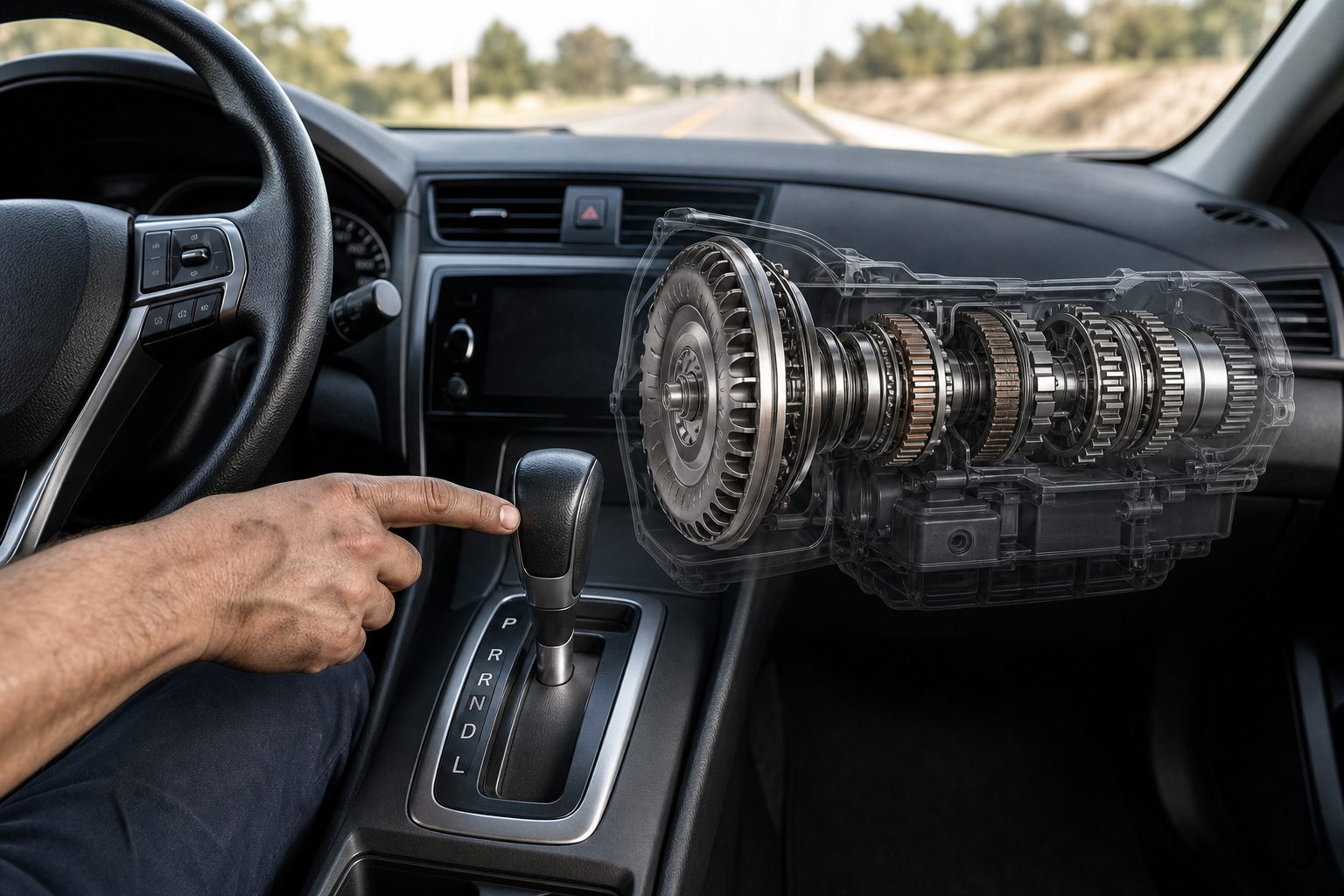
In Neutral, the transmission is not applying a drive gear. The engine can run and the wheels can turn, but the engine is not pushing the car. This is useful for towing procedures on some vehicles, moving a disabled car a short distance, or certain service checks.
| Situation | Is Neutral okay? | Better habit |
|---|---|---|
| Brief stop at traffic light | Usually unnecessary | Keep Drive with brake unless stopped for a long time |
| Rolling downhill | Not recommended | Stay in gear for control and engine braking |
| Car wash | Often required | Follow car-wash and owner manual instructions |
| Towing | Depends on vehicle | Read the owner manual first |
| Before shifting to Park | Not needed in normal parking | Stop fully, set brake, then Park |
Why coasting in Neutral is a bad habit
When you coast in Neutral, you lose engine braking and may need more brake use on long descents. In an emergency, the car also cannot accelerate immediately because you must shift back into Drive first. Modern fuel-injected cars often use little or no fuel during in-gear deceleration, so Neutral usually does not provide the benefit people expect.
Can shifting between Drive and Neutral wear the transmission?
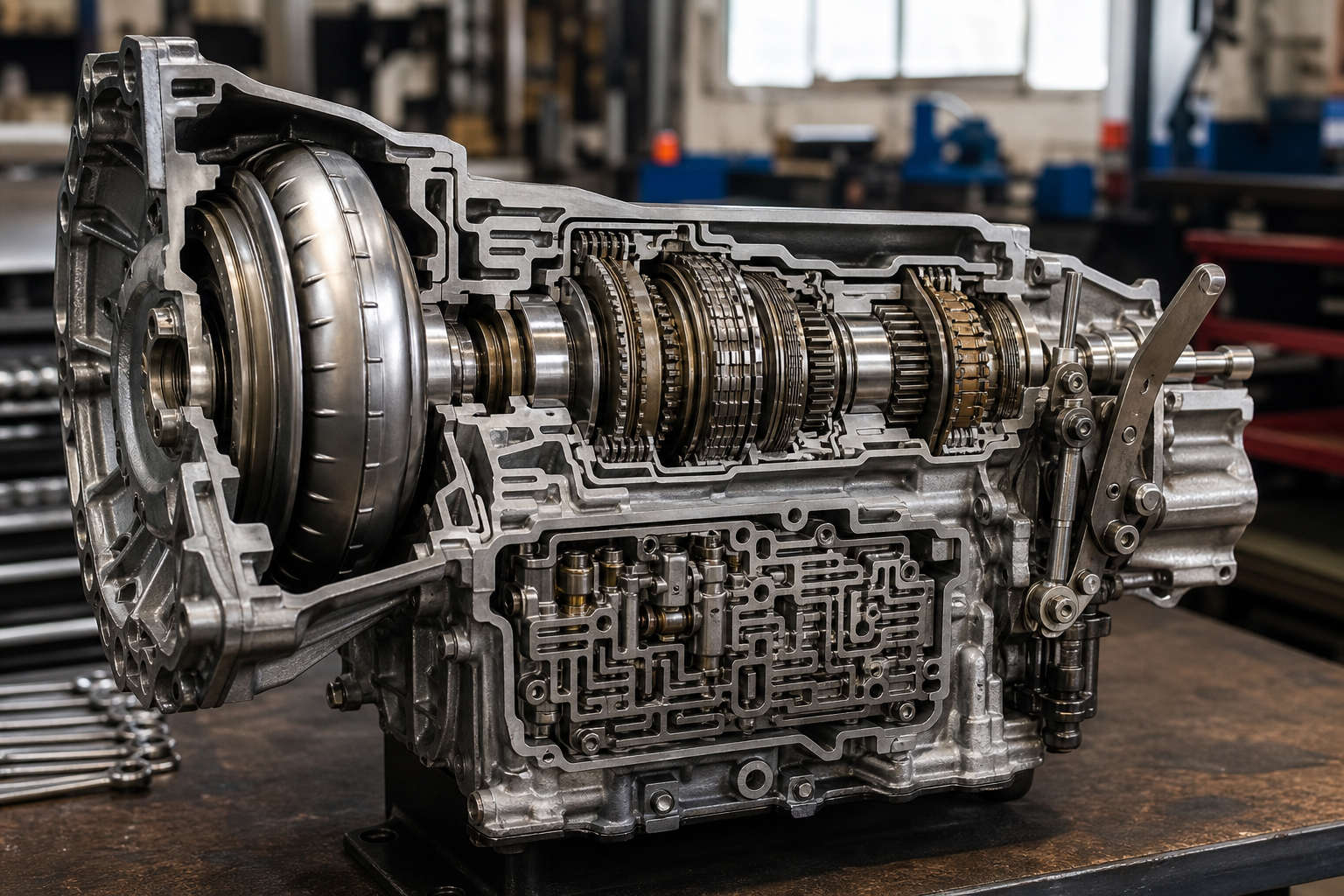
Occasional normal shifting is not a problem. Constantly shifting in and out of Neutral while moving can create unnecessary engagement cycles. The larger danger is selecting the wrong gear, revving the engine before re-engaging Drive, or using Neutral to mask a transmission problem.
When Neutral is useful
- Moving a disabled vehicle a very short distance.
- Some automatic car washes that require the wheels to roll freely.
- Certain diagnostic or service procedures.
- Emergency situations where the throttle is stuck and shifting to Neutral helps remove drive force.
FAQ
Does Neutral damage an automatic transmission at a stop?
Usually no, but it is normally unnecessary for short stops. Keeping the brake applied in Drive is what the car is designed for.
Is it bad to shift from Drive to Neutral while moving?
The shift itself may not instantly damage the transmission, but coasting in Neutral reduces control and is not recommended as a driving habit.
Can I rev the engine in Neutral then shift to Drive?
Do not do this. Engaging Drive at high RPM can shock the transmission, axles, and mounts.
Should I use Neutral before Park?
Not normally. Stop completely, apply the parking brake, then shift to Park. On a steep hill, set the parking brake before releasing the foot brake.
