
For many 2017 Nissan Rogue owners and used-car shoppers, the transmission is the question that comes up first. This Rogue uses Nissan’s Xtronic continuously variable transmission, or CVT, rather than a conventional stepped automatic. A CVT can feel smooth and help keep the engine in an efficient operating range, but it also has a different set of parts, fluid requirements, and failure modes.
That matters because reports about Nissan CVTs mix together several very different things: normal CVT behavior, independent road-test criticism, owner complaints, warranty disputes, and actual mechanical failures. The 2017 Rogue is not automatically headed for a transmission replacement, and a rough drive does not prove the CVT is bad. Still, the model year falls within the 2014-2018 Rogue group covered by a past CVT class-action settlement, so careful inspection and records matter.

Contents
What Is a CVT and How Does the 2017 Rogue’s Transmission Work?
A conventional automatic transmission changes among a fixed set of gears. Inside, it typically uses planetary gearsets, clutch packs, hydraulic controls, and a torque converter to select those ratios. You may feel a distinct shift as the vehicle moves from one gear to another.
The 2017 Rogue’s gasoline model uses Nissan’s Xtronic CVT. Instead of fixed gears, a belt runs between two variable-diameter pulleys. By changing the pulley diameters, the transmission can continuously vary the ratio between the engine and the wheels. Nissan describes CVT fluid as part of the hydraulic system that makes those ratio changes possible while also protecting internal components and maintaining the friction needed between the belt and pulleys.
That design explains a few driving traits that can seem odd to someone used to a traditional automatic. Under hard acceleration, engine rpm may rise and remain fairly steady while road speed catches up. Nissan also programs simulated shift behavior in some conditions, but the underlying transmission is still continuously variable. A road tester’s complaint that the Rogue feels slow to respond or lets the engine drone is a driving-impression issue, not proof that the transmission has failed.
The important distinction is between a characteristic and a symptom. A healthy CVT can feel different from a six- or eight-speed automatic. Repeated shuddering, an unexplained loss of acceleration, warning messages, overheating, or a change from the vehicle’s normal behavior deserve attention. The CVT is also sensitive to correct fluid specification and service procedures, so a generic transmission-fluid recommendation is not a substitute for the Nissan maintenance information for the vehicle.
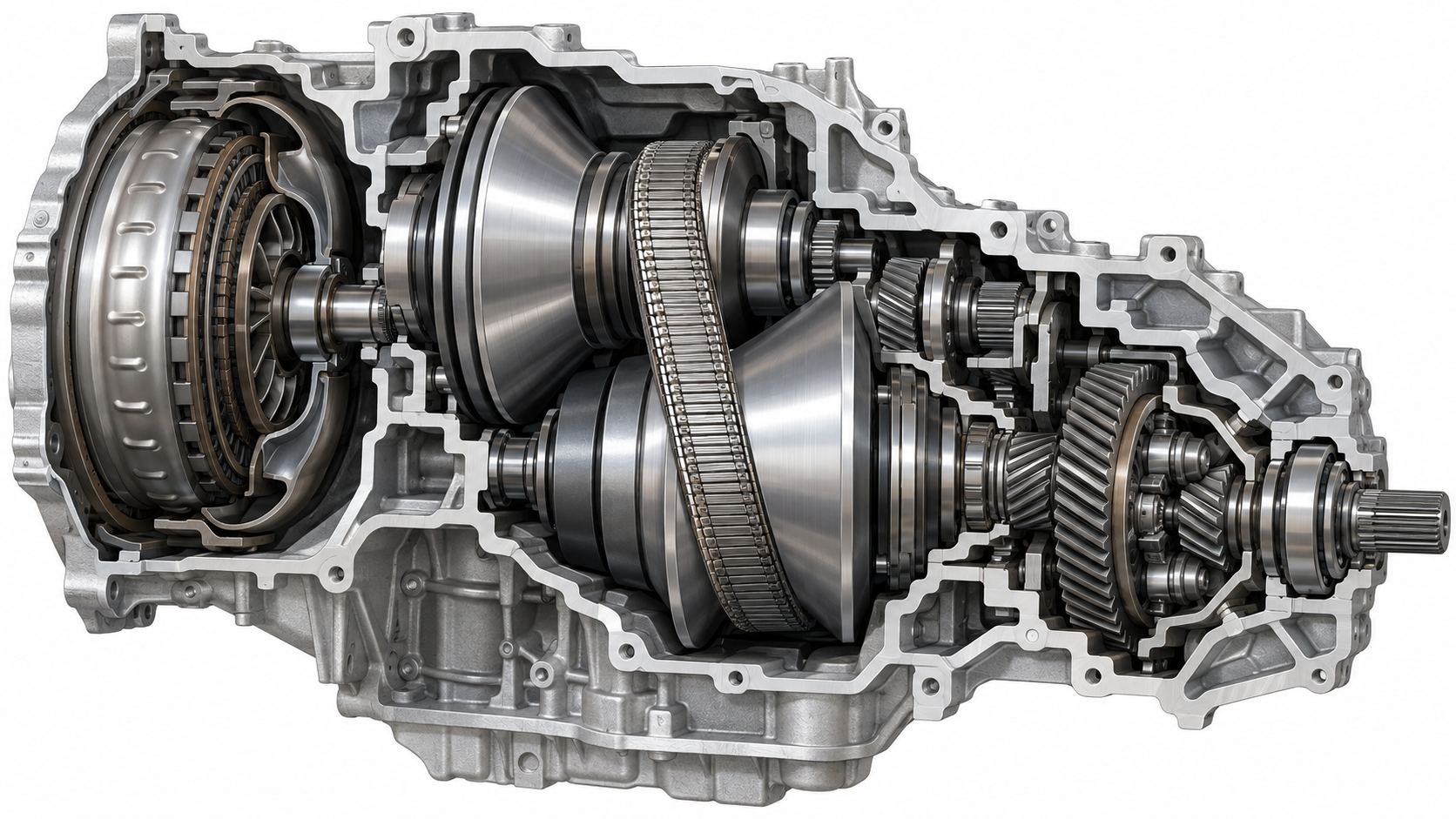
Common Transmission Symptoms Reported by Owners
The items below come from owner reports or independent reviews. They are symptoms, not diagnoses; an engine, brake, sensor, or driveline problem can feel similar.
Hesitation or slow acceleration (independent reviewer finding and owner reports): Car and Driver criticized the Rogue’s CVT response and power delivery under hard throttle. Mild delay may be a CVT characteristic; a sudden or severe loss of response needs diagnosis.
Shudder, judder, vibration, or a bumping sensation (owner-reported category): Owners describe this at takeoff, low speed, or while cruising. The report does not identify a failed part, so tires, mounts, driveline components, and engine performance need to be ruled out.
Whine, droning, or high engine speed (owner reports; reviewer observation for engine noise under acceleration): A CVT can hold higher rpm during hills or passing. A new or worsening whine needs inspection because it can come from bearings or other components outside the transmission.
Surging, rpm flare, or inconsistent engagement (owner-reported category): Some owners describe engine speed rising without the expected increase in road speed. Scan data and a road test are needed to separate engine, throttle, and transmission causes.
Reduced power, limp-home behavior, or a warning message (manufacturer-confirmed warning category and owner reports): The 2017 owner’s manual includes a “CVT Error: See Owner’s Manual” warning and says to have the system checked. A warning with major loss of power is a safety concern.
Fluid leaks or overheated-fluid concerns (manufacturer maintenance guidance and owner reports): A visible leak, burnt smell, or overheating-related message needs prompt inspection. Fluid color by itself does not prove failure.
NHTSA complaints and consumer sites can show what owners reported, but they do not establish a failure rate or confirm every complaint.
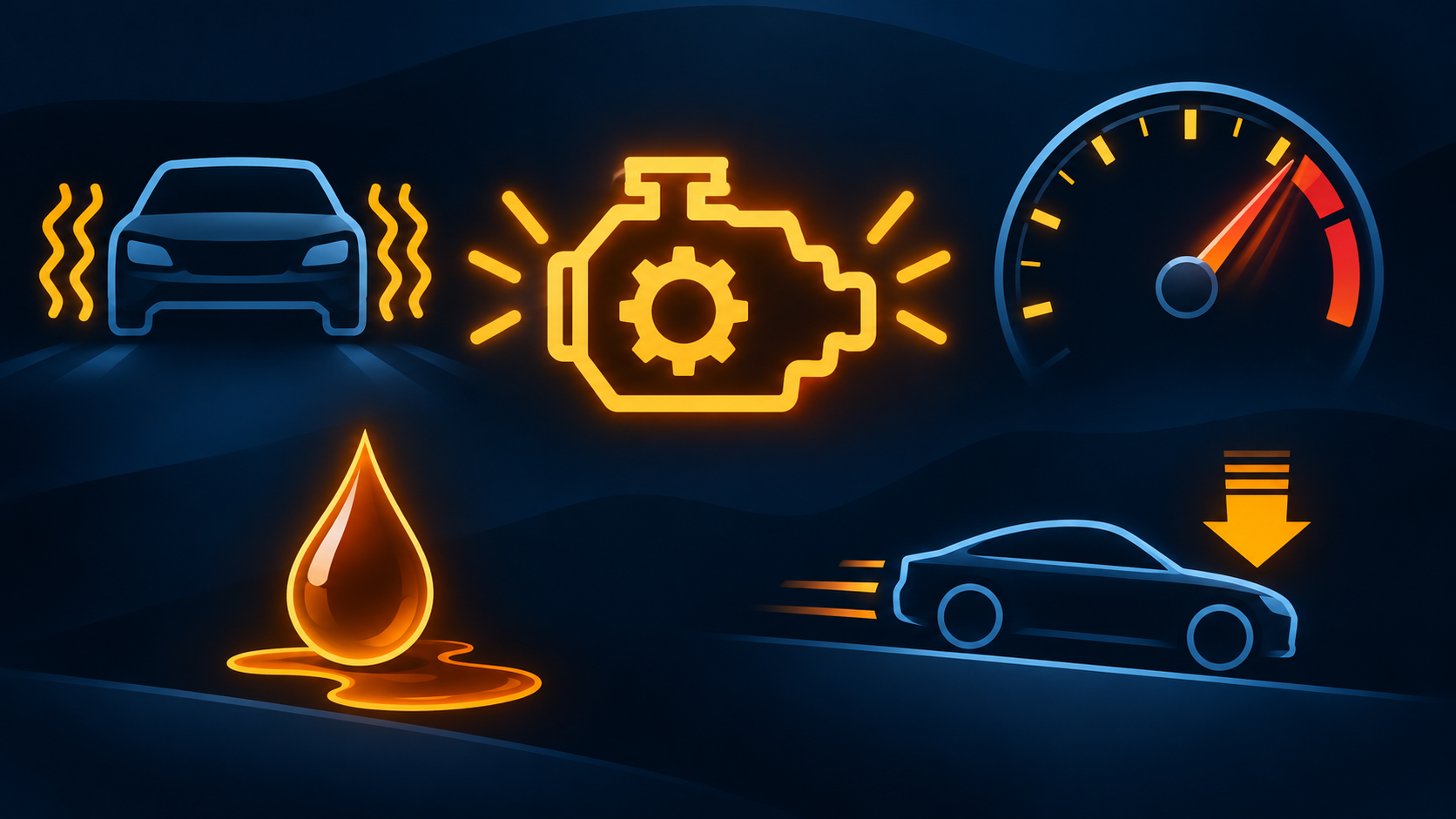
Warning Signs You Shouldn’t Ignore
The most urgent warning sign is a major change in the Rogue’s ability to move safely. If it hesitates badly when merging, loses speed while driving, bucks repeatedly, or will not respond normally to accelerator input, get off the road when it is safe and arrange a tow rather than trying to nurse it home.
The manual specifically identifies a CVT error message as a reason to have the vehicle checked. A check-engine light, a transmission-related warning, or an overheating message should lead to a code scan before anyone clears the codes. Write down the message, outside temperature, speed, and whether the problem began after a long climb, heavy traffic, towing, or a recent repair.
Do not ignore a fresh fluid leak under the vehicle, a burning smell, repeated shuddering, or a new whine that rises with road speed. None of those signs proves a failed CVT, but they are enough to justify a diagnosis. The safest response is early evidence gathering, not a blind fluid change or a guess based on internet anecdotes.
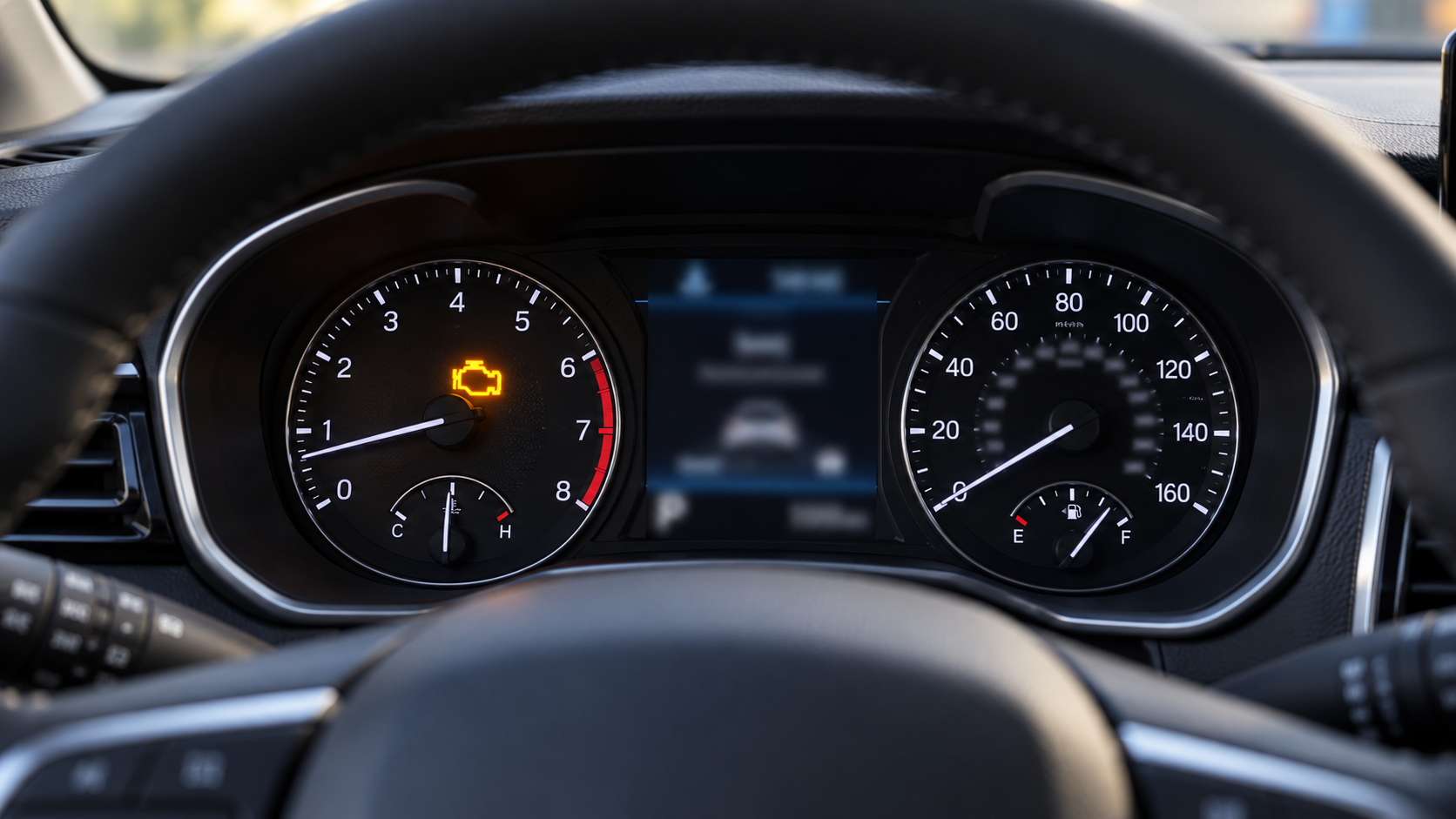
Diagnosis and Repair Process
A competent dealership or independent shop begins by verifying the complaint through history, operating conditions, and a safe road test. A CVT should not be condemned from a noise description alone.
Next comes an all-module scan. The engine computer and transmission control system may store diagnostic trouble codes, pending codes, freeze-frame information, or temperature data. Codes can point the technician toward a circuit or operating condition, but they do not automatically tell the technician to replace the whole transmission. The shop should also check for applicable Nissan service information and VIN-specific campaigns.
The physical inspection matters just as much. A technician may look for leaks, inspect wiring and connectors, confirm the battery and charging system are healthy, inspect engine and driveline mounts, and check for problems that can feel like transmission slip. They may also verify fluid condition and level using Nissan’s required procedure. CVT fluid level checks can be temperature-sensitive, so this is not an area for topping off with an unspecified universal fluid.
If the evidence points toward the CVT, the next step can range from software or control-system work to repair of an external leak, valve-body-related service, or transmission replacement. The correct repair depends on the actual codes, inspection results, and service information. Owners should ask for the codes in writing, the diagnosis performed, and whether the estimate covers a complete unit, a remanufactured unit, or a used unit with unknown history.
For a used-car purchase, a pre-purchase inspection is worth the money. Ask the shop to scan for transmission and engine codes, test-drive the vehicle from cold and fully warm, check for leaks, and review service records. A clean test drive is reassuring, but it cannot guarantee the future life of any transmission.

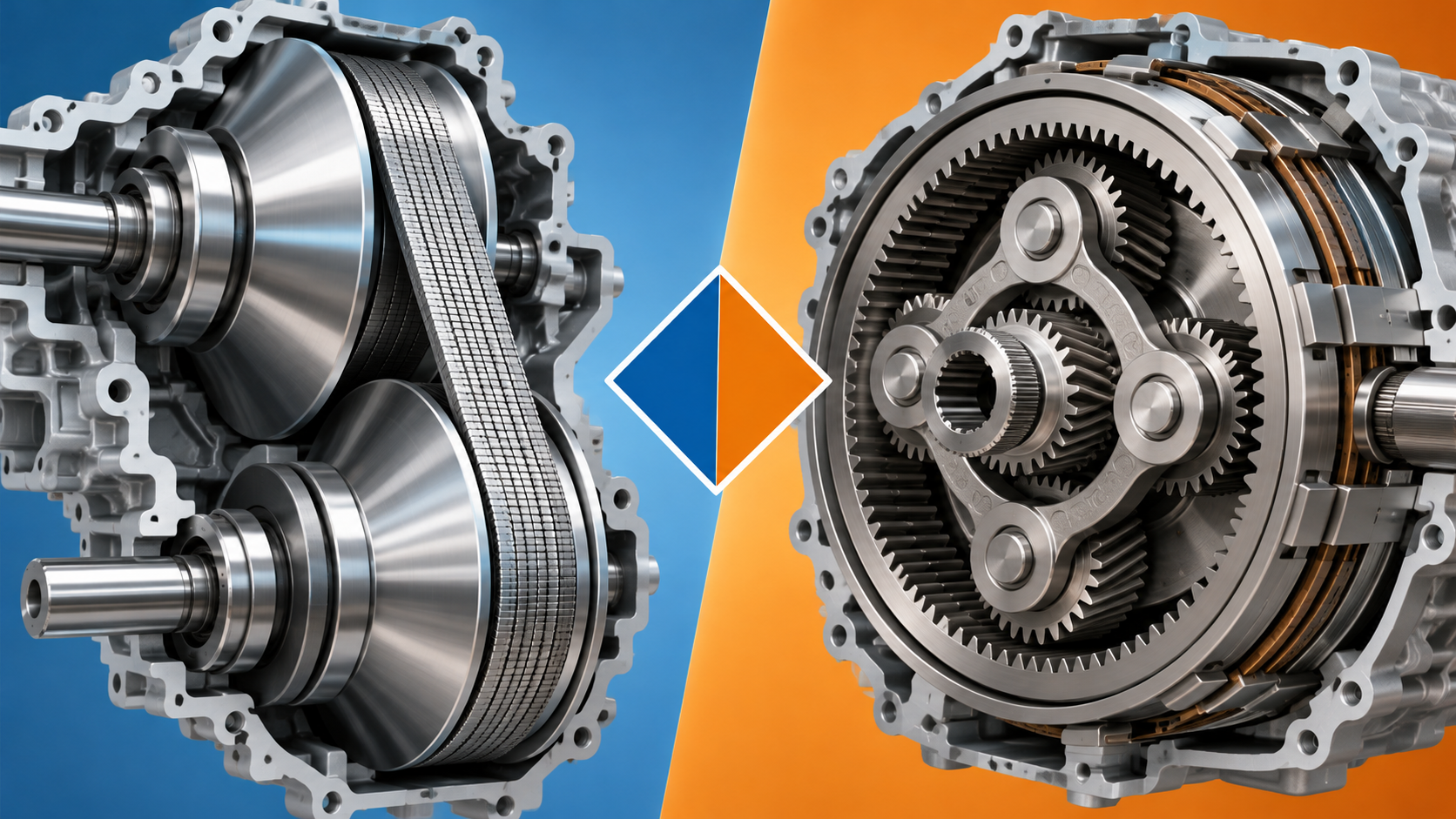
CVT and Traditional Automatic Transmissions
A CVT and a traditional automatic perform the same job: they match engine output to the wheels across changing speeds and loads. Their internal approaches are different. A conventional automatic uses fixed gear ratios and usually has noticeable shift events; a CVT changes its ratio continuously through its pulley-and-belt system.
The potential benefit of a CVT is that it can hold the engine near a selected rpm instead of jumping between gears. That can make ordinary cruising feel smooth. The tradeoff is that hard acceleration may produce the “rubber-band” sensation some drivers dislike, where rpm rises before the vehicle feels fully caught up.
Neither design is automatically better in every real-world situation. Traditional automatics have their own failure modes involving clutches, solenoids, valve bodies, torque converters, seals, and fluid contamination. CVTs depend heavily on correct hydraulic pressure, correct fluid characteristics, cooling, electronic control, and belt-and-pulley condition.
For a 2017 Rogue shopper, the useful question is not whether CVTs are inherently good or bad. It is whether this particular vehicle drives consistently, has documented maintenance, shows no unresolved codes or leaks, and can be independently inspected. A seller’s statement that it “shifts fine” is not precise for a CVT, since it does not shift in the traditional sense.
Recalls, Warranties, and Consumer Options
Start with the vehicle identification number, not a broad internet list. NHTSA’s recall lookup lets an owner check open safety recalls for a specific VIN. A safety recall is different from a technical service bulletin, warranty extension, service campaign, or class-action settlement. A transmission concern may not be the subject of a safety recall.
Manufacturer-confirmed documents show a CVT class-action settlement affecting 2014-2018 Nissan Rogues with a CVT, excluding Rogue Hybrids. Nissan’s dealer communication said the settlement created a transmission warranty extension, while published settlement information described coverage extending from the original 60 months/60,000 miles to 84 months/84,000 miles for eligible Rogues. Nissan denied the underlying allegations, and the settlement did not establish that every covered vehicle had a defect.
Those terms had time and mileage limits. Do not assume past coverage remains active: call Nissan or a Nissan dealer with the VIN and ask for open recalls, campaigns, warranty status, and any settlement-related coverage. Save the answer and the date.
If the CVT has a problem outside coverage, keep diagnostic reports, repair orders, invoices, maintenance records, and communications with the seller or manufacturer. Ask for a written explanation of the failed component and proposed repair. Recent buyers may also want to review the sales contract, any dealer warranty, and state consumer-protection or used-car warranty rules. Those laws vary by location, so a local consumer advocate or attorney can explain options for a specific transaction.
Owners can submit a safety complaint to NHTSA if they believe a problem creates a safety risk. Keep it factual: describe what happened, warning messages, codes, loss of power, and what a shop found.
FAQ
Does every 2017 Nissan Rogue have a CVT problem?
No. The existence of owner complaints, a settlement, and a warranty extension does not mean every vehicle will fail. The condition of a specific Rogue depends on its history, current behavior, scan results, and inspection.
Is a high-rpm sound always a sign of CVT failure?
No. CVTs often let the engine hold rpm during acceleration, and reviewers have criticized that sound as a normal driving characteristic. A new, worsening, or unusually loud noise should still be inspected.
Can a fluid change fix a shudder or hesitation?
Sometimes a service issue may be part of the answer, but a fluid change is not a universal cure. Use the exact Nissan-approved fluid and procedure, and get codes and a diagnosis before authorizing work.
Should I buy a used 2017 Rogue with no transmission records?
Treat missing records as a reason for a more careful inspection, not as proof of failure. Get a pre-purchase scan and road test, check the VIN for open recalls and coverage, and price the vehicle with uncertainty in mind.
Should I keep driving after a CVT warning appears?
The owner’s manual says to have a CVT error checked. If there is a warning plus major loss of power, severe shuddering, or unsafe acceleration, pull over safely and arrange a tow.
Closing takeaway
The 2017 Nissan Rogue’s CVT deserves a fact-based look, not a blanket verdict. Independent reviewers noted its response can feel slow, owners have reported symptoms ranging from shuddering to loss of power, and Nissan-confirmed settlement documents created limited warranty coverage for eligible vehicles. For an owner or buyer, the practical move is simple: check the VIN, preserve the records, scan the vehicle, obtain an independent inspection, and make a decision from the evidence in front of you before you commit.
