
A 2014 Ford Focus with the optional automatic may use Ford’s DPS6 PowerShift transmission, a dry dual-clutch automated manual rather than a conventional torque-converter automatic. That distinction matters: its low-speed behavior can feel different from a traditional automatic, but repeated shuddering, loss of engagement, warning lights, or an inability to select a gear deserve a proper diagnosis. Edmunds identifies the available six-speed PowerShift as a dual-clutch automated manual, while Ford service communications address specific clutch, seal, calibration, and transmission-control-module concerns for affected vehicles.Edmunds Ford program 14M01
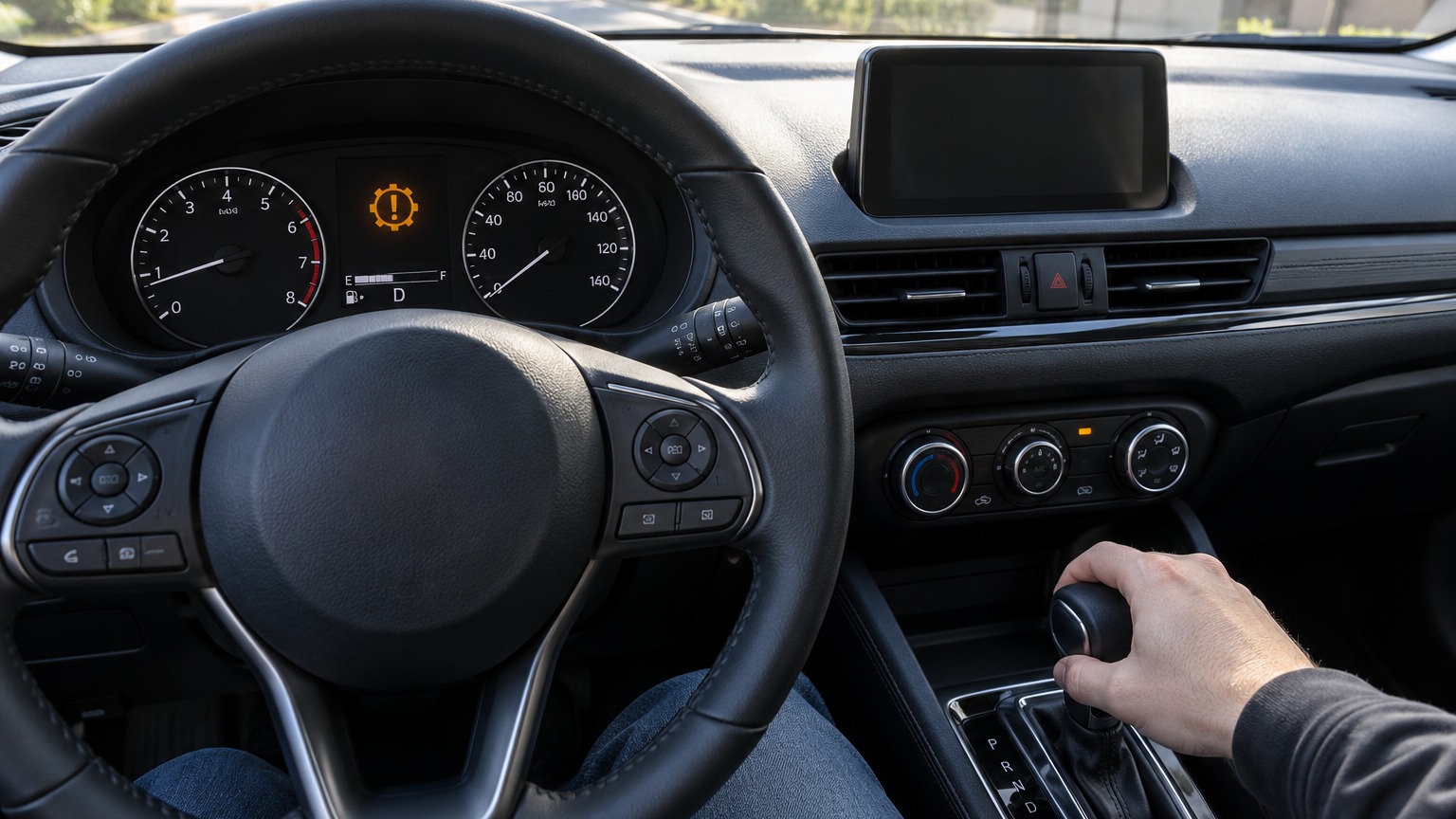
This article focuses on the automatic-equipped 2014 Focus and explains why a VIN-specific inspection is more useful than assuming every rough shift has the same cause.
Contents
What Is the Ford PowerShift Transmission?
The DPS6 is a six-speed dual-clutch transmission. In broad mechanical terms, a dual-clutch unit uses two clutch paths and electronically controlled gear changes so that one gear can be prepared while another is engaged. The DPS6 installed in these Focus models uses dry clutches and electronic actuation; it does not use the fluid coupling of a conventional automatic. That is why gentle launch behavior, creep, and gear changes may feel more manual-transmission-like than some drivers expect.Edmunds PowerShift background
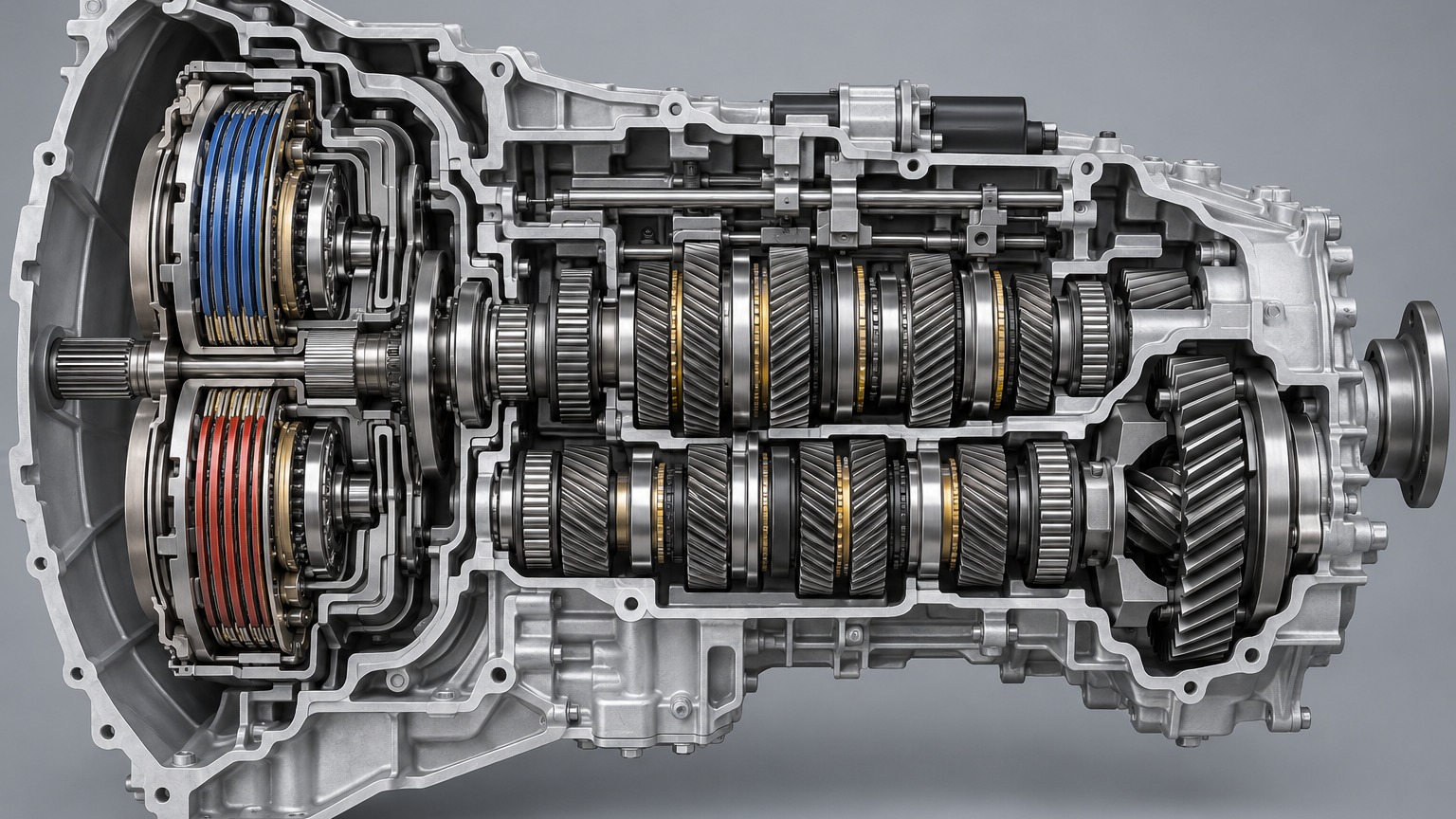
The important practical point is not that every sensation is “normal.” Ford issued service communications for clutch shudder and for transmission-control-module (TCM) faults in DPS6-equipped Focus vehicles. A technician should distinguish a mild characteristic from a symptom that is repeatable, worsening, accompanied by a warning lamp, or associated with a diagnostic trouble code.Ford program 14M01 Ford TCM program 14M02
Usual Symptoms
Owners, technical-service material, and automotive reporting have most often associated the DPS6 with low-speed drivability complaints. Symptoms may include:
- Shuddering or vibration when pulling away from a stop, especially under light throttle.
- Hesitation, lurching, or a delayed response before the car moves.
- Harsh, abrupt, or inconsistent 1–2 shifts.
- Engine speed rising before the vehicle accelerates as expected.
- A warning light, “transmission malfunction” message, no-start condition, or loss of drive engagement.
- Intermittent loss of power or failure to select a gear.

A shudder during light acceleration from a stop is specifically described in Ford’s clutch-shudder service material. Ford’s TCM communications separately describe intermittent loss of transmission engagement, intermittent no-start, or loss of power when the module is the causal part. These are different diagnostic paths, even though a driver may describe both as “transmission trouble.”Ford program 14M01 Ford TCM program 14M02
Causes
There is no single confirmed cause for every 2014 Focus complaint. Ford’s published service programs point to several areas that can produce overlapping symptoms.
One documented area is clutch shudder. Ford’s 14M01 program covers certain 2011–2014 Fiesta and Focus vehicles with a DPS6 and refers to clutch shudder and transmission input-shaft seals. The program also calls for the latest powertrain/transmission software calibration when a clutch is replaced. That supports an inspection for clutch condition, contamination, and applicable software—not an assumption that a software update alone will repair every shudder.Ford program 14M01

A second documented area is the TCM, the electronic module that manages transmission operation. Ford’s 14M02 material covers certain DPS6-equipped Focus vehicles and says that, when the TCM is determined to be causal, intermittent engagement loss, no-start, or loss of power can warrant TCM replacement under the program’s terms. The module should therefore be diagnosed with scan-tool data and applicable Ford procedures rather than condemned from a symptom description alone.Ford TCM program 14M02
Calibration and adaptive learning are also part of documented repairs. Ford service operations for DPS6 TCM-related work include reprogramming and a clutch adaptive-learning procedure. Software level and completed relearn procedures are therefore relevant checks after qualifying work.TSB 16-0129 labor operations
NHTSA Complaints, Recalls & Legal Action
NHTSA’s public complaint database contains owner reports for the 2014 Focus, including reports describing shuddering, jerking, lack of acceleration, and TCM concerns. A complaint is valuable evidence of what an owner reported, but it is not an engineering finding, a recall determination, or proof that the same defect caused every incident. Search the database by VIN and model year to review the record and check whether your individual vehicle has open safety recalls.NHTSA safety-issues search
The distinction between a recall and a service or customer-satisfaction program is important. NHTSA’s year/make/model recall results for the 2014 Focus list campaigns involving items such as fuel-system, door-latch, steering, and electrical concerns. The DPS6 service communications discussed above are not a blanket safety recall for every PowerShift-equipped 2014 Focus. Recall applicability is VIN-specific, so use NHTSA’s recall lookup rather than relying on a model-wide internet claim.NHTSA recall lookup
The PowerShift also led to class-action litigation. The official settlement site states that the nationwide settlement in *Vargas v. Ford Motor Company* concerned U.S.-sold or leased 2011–2016 Fiesta and 2012–2016 Focus vehicles equipped with the PowerShift transmission. The court entered final approval on March 5, 2020, and the settlement became effective on April 7, 2020. The settlement site also states that deadlines for several claim types have passed. That history is relevant context, but it does not by itself establish that a particular used vehicle is entitled to a repair or compensation today.Ford PowerShift settlement
Diagnostic Steps
Start by confirming the transmission. A 2014 Focus may have a manual gearbox, so verify the vehicle’s equipment by VIN, window sticker, build data, or a dealer parts/service lookup before applying DPS6 guidance.
Next, document the exact behavior. Note whether the issue occurs cold or warm, from a stop or during an upshift, under light or heavy throttle, and whether warning lamps appear. A short phone video can help a shop reproduce an intermittent shudder, but it is not a substitute for a road test and scan.
Ask a Ford-capable shop to scan all relevant modules for stored, pending, and history codes; inspect battery and charging-system condition; check for applicable manufacturer communications; and conduct the diagnosis called for by the codes and symptom. Ford’s TCM material identifies loss of engagement, no-start, and loss of power as symptoms requiring a determination that the TCM is causal before replacement.Ford TCM program 14M02
For shudder, ask whether the technician found clutch-related evidence, an input-shaft-seal issue, or a calibration/relearn need. Obtain the written findings, codes, performed software level, and parts proposed. This is especially useful when comparing a dealer diagnosis with an independent transmission specialist’s opinion.
Fixes & Repair Options
The appropriate repair follows the confirmed cause. For a qualifying clutch-shudder condition, Ford’s program documentation describes clutch and input-shaft-seal coverage during its stated coverage period, and directs reprogramming when the clutch is replaced. On an out-of-coverage car, a shop may recommend the same types of work only after inspection supports them; it is not responsible practice to replace parts by guesswork.Ford program 14M01
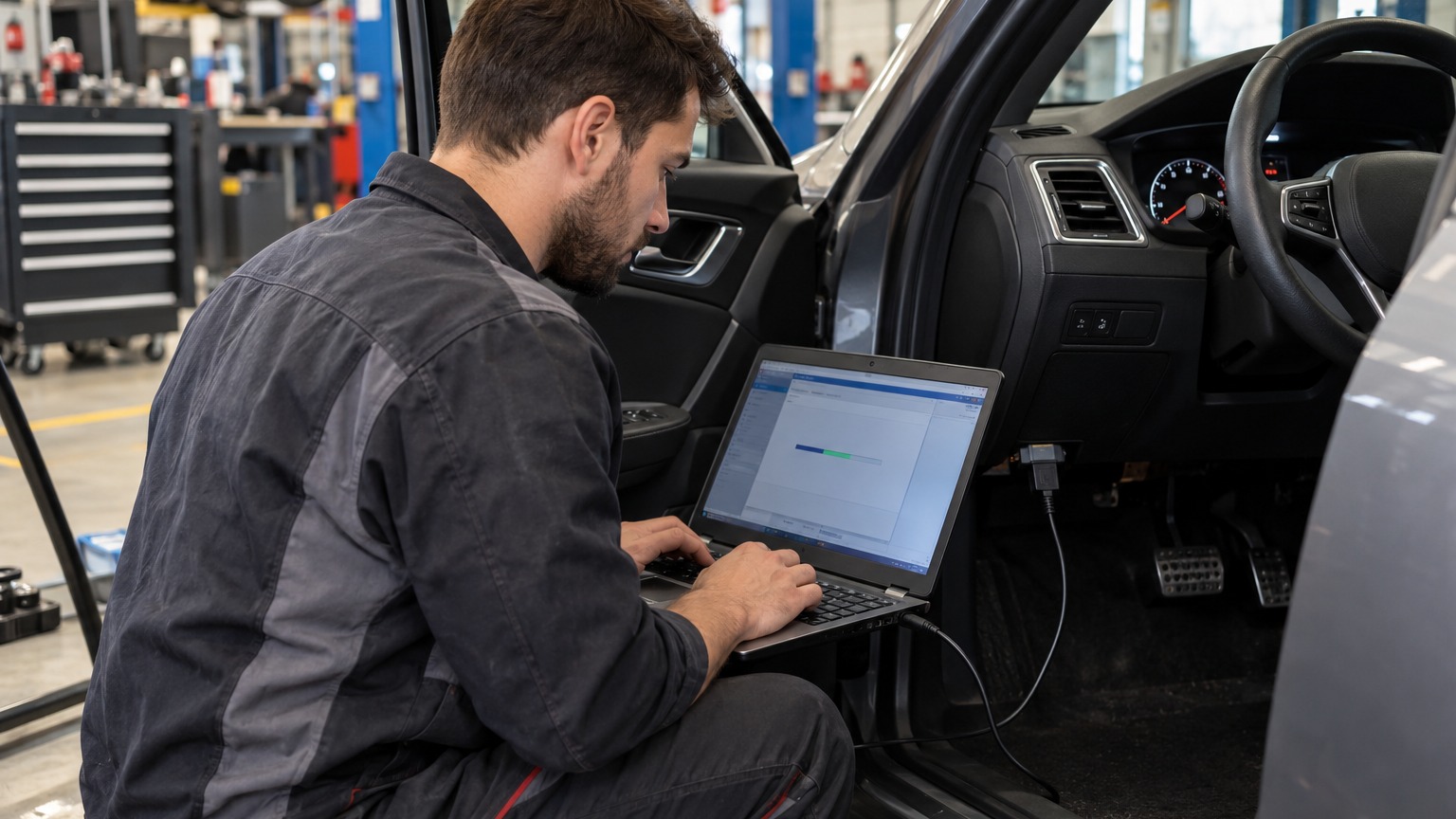
For a confirmed TCM fault, Ford’s published program described TCM replacement for vehicles meeting its conditions and coverage terms. Service documentation also shows TCM-related repair operations that include reprogramming and clutch adaptive learning. Whether coverage is still available depends on the vehicle’s VIN, warranty-start date, mileage, repair history, and the currently applicable program terms; ask a Ford dealer to check the VIN rather than assuming an extension remains open.Ford TCM program 14M02 Ford service operation
A software update or adaptive relearn may be appropriate when Ford’s diagnostic process calls for it, but it should not be presented as a universal cure. Likewise, a complete transmission replacement is a major decision that should be based on documented internal damage or a diagnosis that makes component-level repair unsuitable. Ask for an itemized estimate and a written explanation of why the proposed repair addresses the observed failure.
Preventive Maintenance Tips
No maintenance routine can guarantee that a DPS6 concern will not occur, but careful ownership can make diagnosis easier and avoid compounding a problem.

- Keep the battery and charging system in good condition; electronic-control faults should not be diagnosed with an unstable low-voltage supply.
- Address new warning lights, engagement loss, or a worsening shudder promptly instead of waiting for a convenient service interval.
- Keep invoices showing symptoms, diagnostic codes, software updates, and replaced parts.
- Use the owner’s manual and Ford service information for approved fluids and procedures. Avoid treating internet advice about “flushing” or generic additives as a substitute for the specified procedure.
- Check your VIN for open recalls and ask a Ford dealer to review applicable field-service actions or warranty extensions.
These steps are about recordkeeping and early diagnosis, not a promise that driving style or routine service can cure a worn clutch, seal issue, or failed control module.
FAQ (4–5 questions)
Does every 2014 Ford Focus have the PowerShift transmission?
No. The PowerShift was the optional automatic on relevant 2014 Focus trims; a five-speed manual was also offered. Confirm the transmission by VIN or vehicle equipment before assuming DPS6 guidance applies.Edmunds
Is shuddering always a failed transmission?
No. A shudder is a documented complaint and a symptom addressed in Ford material, but diagnosis may involve clutch condition, input-shaft seals, calibration, or another issue. Warning lights, no-start, or engagement loss broaden the diagnostic path.Ford program 14M01 Ford TCM program 14M02
Was there a transmission recall for every affected Focus?
No. Do not equate the PowerShift service programs or litigation with a universal recall. Check the vehicle’s VIN on NHTSA’s recall site and with Ford for open recalls and applicable service actions.NHTSA recall lookup
Can a TCM problem cause a no-start or loss of drive?
Ford’s TCM program states that certain DPS6-equipped vehicles can exhibit intermittent transmission-engagement loss while driving, intermittent no-start, or loss of power when the TCM is determined to be the causal part. A scan-based diagnosis is still necessary.Ford TCM program 14M02
Can I still make a settlement claim?
The official settlement site says deadlines for several claim types have passed. Review the site and consult a qualified lawyer for advice about any individual legal rights; this article is not legal advice.Ford PowerShift settlement
Conclusion
The 2014 Ford Focus PowerShift story is more nuanced than “all automatics fail” or “all shudder is normal.” Public Ford communications document clutch-shudder, input-shaft-seal, calibration, and TCM-related diagnostic and repair paths, while NHTSA records and the *Vargas* settlement show why the issue received sustained attention. Confirm the vehicle has the DPS6, document the symptom, obtain a code-based diagnosis, and check the VIN for current recall or program information before authorizing a repair.
Sources referenced: NHTSA safety-issues search, NHTSA recall lookup, Ford 14M01 program, Ford 14M02 program, Ford PowerShift settlement, and Edmunds’ 2014 Focus review.
