
The 2016 Chevrolet Trax uses GM’s 1.4-liter turbocharged Ecotec engine, shared with the Cruze, Sonic, and Buick Encore. That shared platform brings familiar turbo, PCV, oil-leak, and cooling-system concerns.
This guide covers the turbocharger, cooling system, and general engine operation. Not every Trax develops these problems; check the VIN for open campaigns and test the system before replacing parts.
Contents
How the 2016 Trax’s Turbo Engine Works
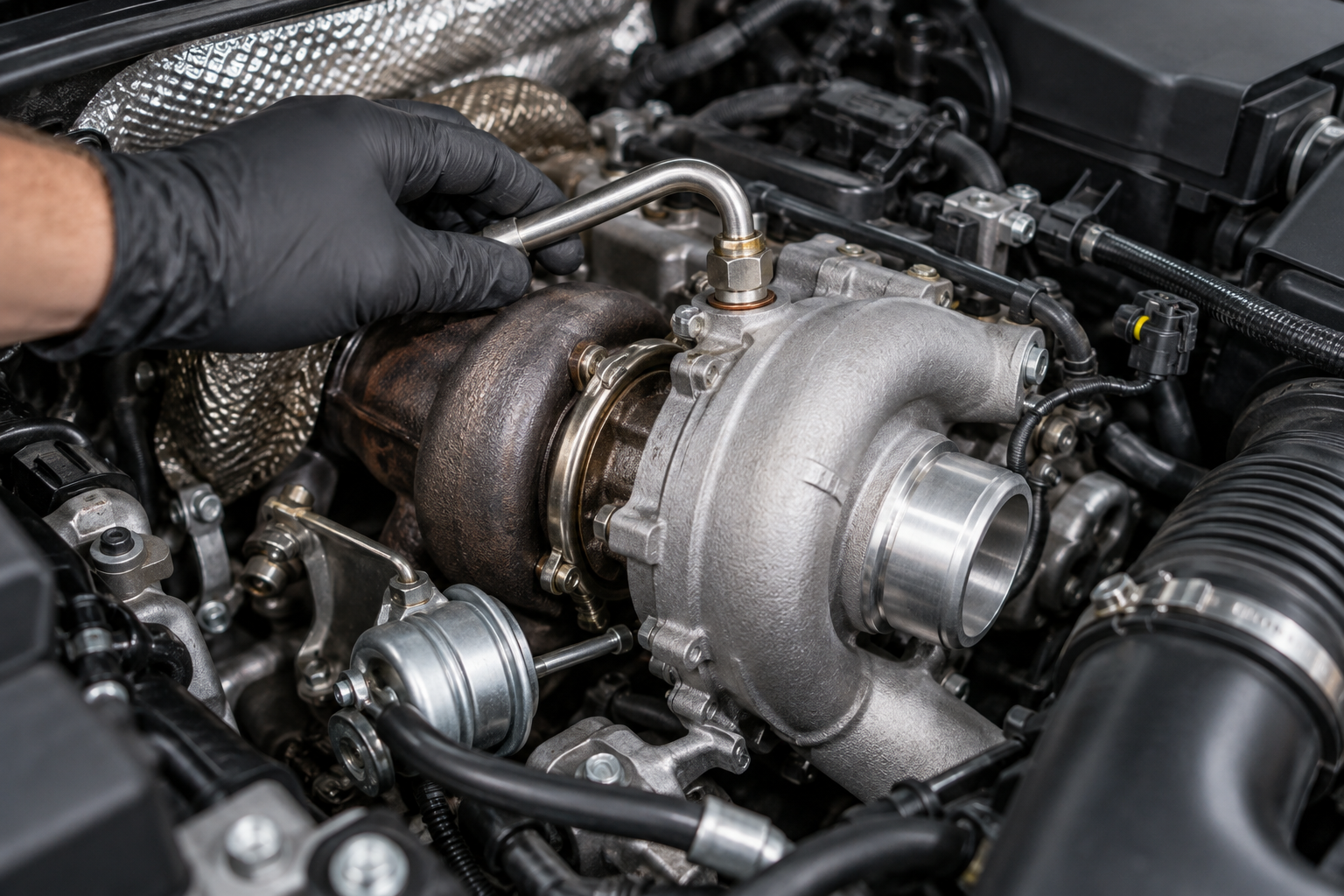
The Trax uses a small turbocharger to help its 1.4-liter engine make more power without using a larger engine. Exhaust flow spins a turbine, which drives a compressor that pushes more air into the engine. The engine computer then adds the appropriate fuel. This setup can provide good low-speed torque and reasonable fuel economy, but it adds heat, pressurized air plumbing, oil lines, and control hardware that a non-turbo engine does not need.
The turbo depends on clean engine oil for lubrication and cooling. It also relies on a wastegate system to control boost, a PCV system to manage crankcase vapors, and intact intake and charge-air pipes to deliver pressurized air. A fault in any of those areas can create similar symptoms: check-engine light, weak acceleration, whistling, smoke, oil seepage, or an underboost code.
The 1.4-liter Trax engine is closely related to the engine used in the Cruze, Sonic, and Encore. That platform context is helpful, but parts, calibrations, and campaign eligibility are still vehicle-specific. A repair guide for one sibling model is a lead for diagnosis, not proof that the same repair applies to every Trax.
Turbocharger Problems
Symptoms
Owners report reduced acceleration, hesitation, intermittent loss of boost, check-engine lights, turbo whine, smoke, and oil odor near the engine. An underboost code may appear when the engine computer sees less boost than expected, but the code does not automatically mean the turbocharger itself has failed. A loose charge-air hose, a wastegate-control issue, a restriction, a sensor problem, or a PCV fault can cause similar behavior.
GM technical information for the Trax platform documents diagnostic checks for underboost and overboost codes. It specifically tells technicians to inspect wastegate-related hardware and control components before replacing the entire turbocharger. The same guidance says that if a turbo replacement is truly necessary, the oil-feed pipe should be checked for restriction. That is important because installing a new turbo without addressing an oil-supply problem can lead to another failure.
Likely Causes
A wastegate actuator or its linkage can fail to control boost correctly. GM diagnostic information also identifies damaged wastegate-control parts, obstructed hoses, and related actuator issues as possibilities. Oil leakage at turbo-related lines or nearby seals can produce a burning-oil smell, but the source needs to be traced; oil on the outside of a turbo is not the same thing as a failed internal turbo seal.
PCV-system concerns are frequently discussed by owners and repair forums on this engine family. A PCV issue can change crankcase pressure and contribute to rough idle, vacuum leaks, oil seepage, or symptoms that resemble turbo trouble. This remains debated among technicians when no codes or measured pressure problem is present, so do not treat a valve cover or PCV part as an automatic cure.
GM also published cold-weather guidance for certain Trax models that describes power loss, hesitation, smoke, stalling, oil odor, and warning lights during extremely cold short-trip operation. The cause in that bulletin involves ice in the crankcase-vent tube or charge-air cooler, not a universal mechanical turbo failure. The condition is climate- and usage-dependent, and it should not be used to explain power loss in normal temperatures without diagnosis.
Typical Repair Range
A scan, boost-leak inspection, and pressure or smoke test can range from a modest diagnostic bill to several hundred dollars if the symptom is intermittent. Hoses, a solenoid, a sensor, or a PCV-related repair may be in the low-to-mid hundreds. A confirmed wastegate actuator or turbocharger repair can move into the four-figure range, especially if oil lines, gaskets, or additional intake components are needed. These are planning ranges only; a written diagnosis should identify the failed test and required parts.
Cooling System Problems
Symptoms
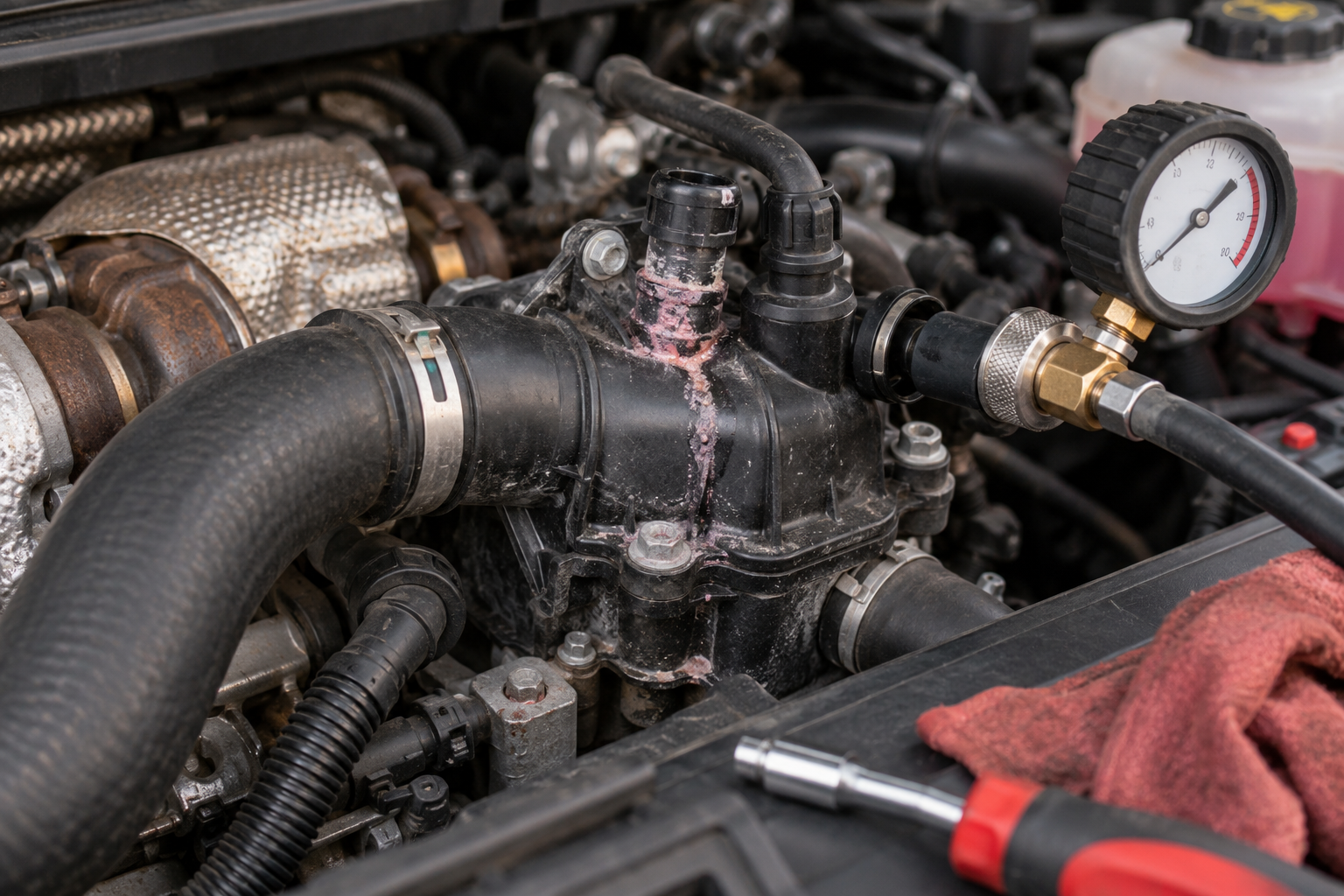
Watch for a low-coolant message, a reservoir that needs topping up, dried coolant residue, a sweet smell, visible drip, overheating warning, weak cabin heat, or steam. A small leak can be difficult to see because coolant may evaporate on hot engine parts. Repeatedly adding coolant without locating the leak risks an overheating event.
Likely Causes
Repair references and owner reports commonly cite plastic coolant outlets, thermostat housings, reservoirs, hose connections, and seals as leak points on this 1.4-liter turbo family. Heat cycling can age plastic and rubber components, but the exact leak source must be confirmed. A drip near the front or side of the engine may travel before it reaches the ground.
The thermostat housing and water outlet are composite/plastic service parts on this application. Some mechanics commonly observe cracking or gasket seepage in these components, while others find a reservoir, hose, water pump, or clamp to be the actual cause. A cooling-system pressure test is the practical way to separate these possibilities.
Do not overlook oil leaks. GM issued a service update for certain 2016 Trax vehicles involving an engine-oil leak at the oil-cooler pipe caused by a damaged seal. That action was not a blanket diagnosis for every Trax, and its eligibility must be checked by VIN. It does, however, show why fluid leaks should be identified by color, location, and pressure testing rather than guessed from smell alone.
Typical Repair Range
A hose, clamp, reservoir, cap, or small external seal may be a lower-cost repair. A thermostat housing, water outlet, water pump, or hard-to-reach leak can range from several hundred dollars to more than $1,500 depending on labor and what else must be removed. If overheating has already occurred, the cost can rise sharply because a technician may need to check for engine damage. These are estimates, not guaranteed prices.
Other Engine Troubleshooting Points
Symptoms
A check-engine light can arrive with rough idle, poor fuel economy, reduced power, hard starting, oil smell, smoke, or no obvious driveability change. Some owners also report oil consumption concerns, but the amount of oil use that is abnormal depends on the vehicle’s condition, maintenance history, and measurement method. A single low oil reading is not enough to diagnose internal engine wear.
Likely Causes
General engine troubleshooting should start with codes and basics: oil level, oil condition, battery voltage, intake leaks, ignition components, fuel trims, and visible fluid leaks. Owners sometimes blame every hesitation on the turbo, but a weak ignition coil, spark plug issue, sensor fault, battery/charging problem, or air leak can produce a similar feeling.
The oil system deserves attention because the turbo relies on it. Inspect oil level at the correct interval, use the specified oil, and repair leaks promptly. Reported cases of oil or coolant lines failing around the turbo should be treated as individual repair findings unless a VIN-specific campaign or manufacturer bulletin applies. Do not assume an oil line is leaking internally into the turbo without evidence from inspection.
Electrical issues can complicate engine diagnosis. Low voltage may trigger multiple warning messages or interfere with module communication. If the Trax has a no-start, intermittent warning, or history of repeated battery replacement, the shop should test the battery, charging system, connections, and parasitic draw rather than simply install another battery.
Typical Repair Range
A basic code scan, battery/charging test, or visual inspection is usually the least expensive place to start. Plugs, coils, sensors, hoses, and minor electrical repairs can range from modest to mid-level expense. Internal engine work, confirmed excessive oil consumption, or a turbo-related oil-supply repair is more costly and should be supported by test results, not just a symptom description.
Warning Signs to Watch For
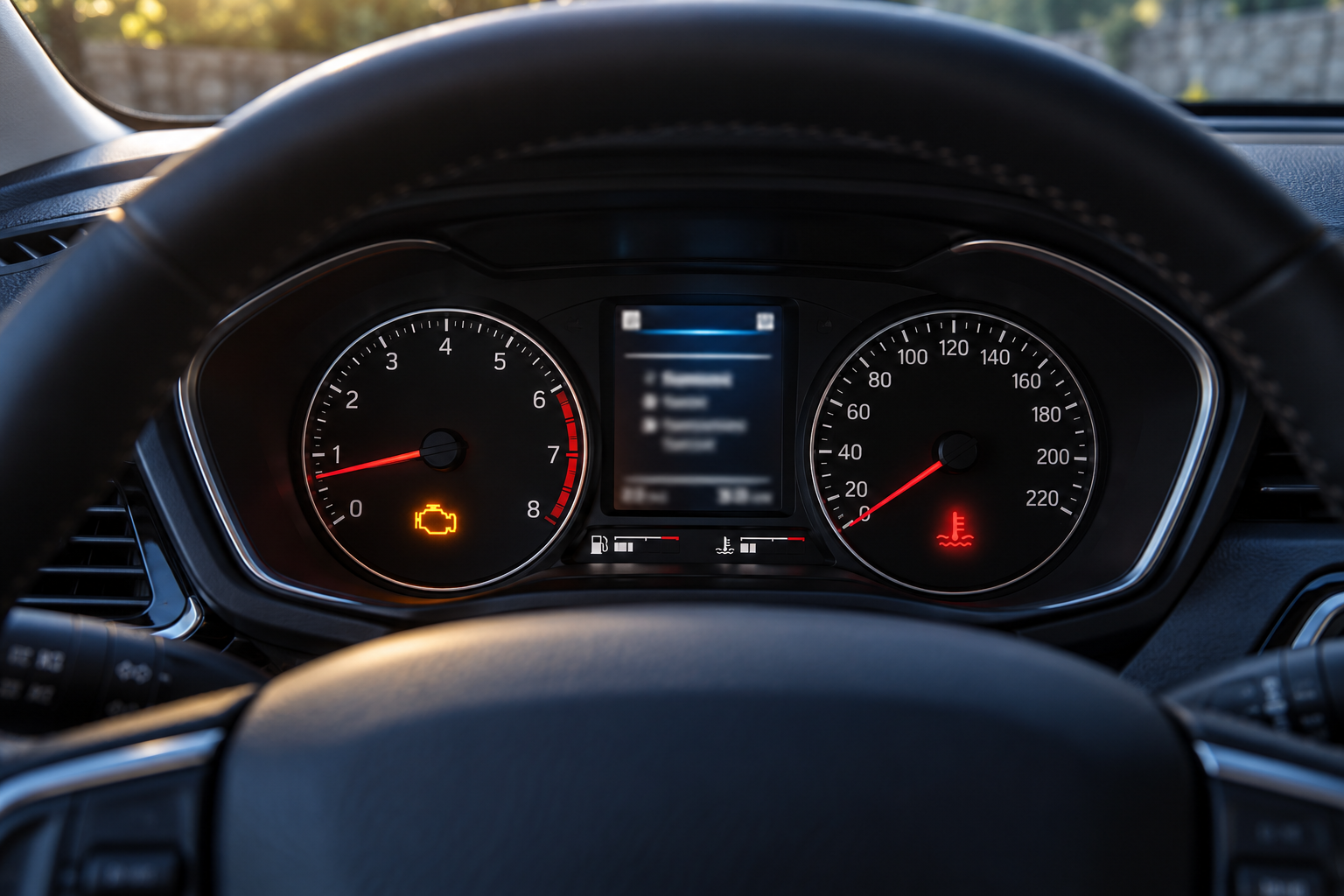
- A flashing check-engine light, major loss of power, stalling, or a vehicle that will not accelerate safely.
- Blue, white, or persistent dark smoke from the exhaust, especially with oil or coolant loss.
- A burning-oil smell, visible oil near the turbo area, or low engine-oil pressure warning.
- Coolant level that repeatedly falls, steam, overheating warning, or a strong sweet smell.
- A sudden whine, rattle, or whistle that changes with boost or engine speed.
- A no-start, repeated battery discharge, or several unrelated-looking warning messages at once.
- Cold-weather power loss or hesitation that occurs soon after startup and improves only after longer driving; report the outside temperature and driving pattern.
How to Diagnose These Issues
Start with a full OBD-II scan. Ask for stored, pending, and history codes, plus freeze-frame data showing what the vehicle was doing when the fault set. A generic code reader can help, but a shop with GM-capable scan equipment can review live data and module information that a basic reader may not show.
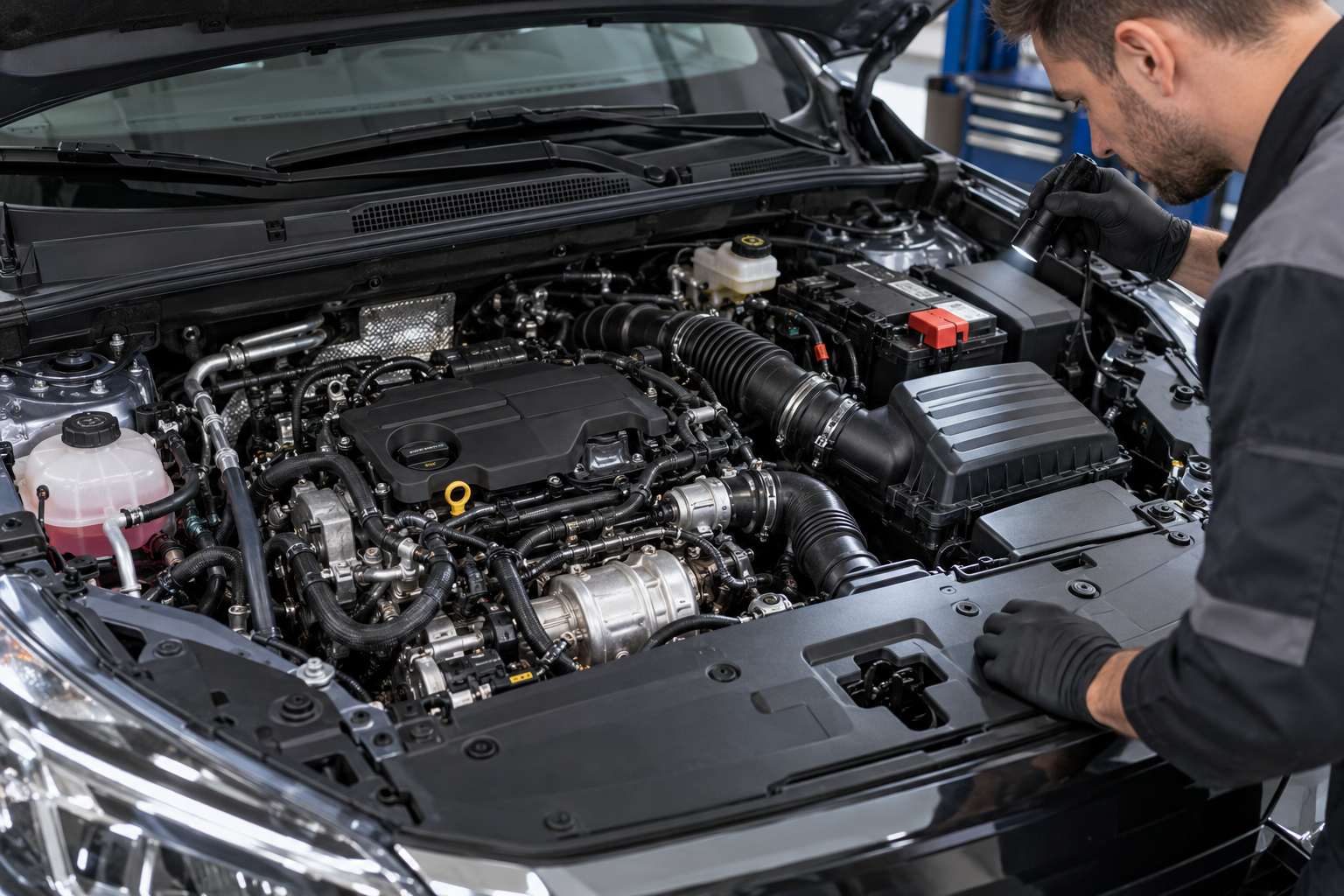
Next, inspect before replacing parts. Check the oil level and condition, coolant level when cold, hoses, clamps, charge-air pipes, PCV connections, and areas around the turbo oil feed and return lines. Look for fresh wetness and dried coolant tracks. Do not touch turbo or exhaust parts after driving; they can remain extremely hot.
A cooling-system pressure test can reveal external leaks that disappear when the engine is hot. A boost-leak or smoke test can help find air leaks, while a technician may test wastegate movement, actuator control, sensor readings, and crankcase pressure. If there is a cold-weather complaint, include the temperature, trip length, and time after startup because GM’s icing guidance is tied to particular operating conditions.
If a shop recommends a turbocharger or engine replacement, ask which test identified the cause and whether boost leaks, wastegate hardware, PCV function, oil supply, ignition, and cooling-system integrity were checked first.

Maintenance Tips to Reduce Risk
Follow the owner’s-manual oil-change interval and use the specified oil grade and filter. Turbo engines are sensitive to neglected oil because the turbocharger operates at high speed and heat. Check the oil level periodically, particularly before long trips, and do not ignore a fresh oil smell or visible leak.
Check the coolant reservoir only with the engine cold, and use the correct coolant if a small top-up is necessary. A top-up is not a repair. If the level falls again, schedule a pressure test instead of continuing to add fluid. Avoid mixing unrelated coolant types and do not open a hot cooling system.
Keep the battery terminals clean, address warning lights early, and do not add aftermarket electrical devices without understanding their power draw. In very cold conditions, follow GM’s applicable cold-weather guidance and avoid judging a recurring power-loss complaint solely by whether it disappears after the engine warms up.
For used-car buyers, request service records, run the VIN through Chevrolet and NHTSA recall tools, inspect for fluid residue, and arrange a cold-start road test. A clean engine bay alone is not proof of health; a scan and pressure test may be worthwhile if there is evidence of fluid loss or past turbo work.

FAQ
Is the 2016 Chevrolet Trax reliable?
It can be a practical used crossover when maintained, but the turbocharged 1.4-liter engine requires more attention to oil, boost, and cooling-system condition than a naturally aspirated engine. A vehicle-specific inspection is more useful than a blanket reliability label.
What is the average repair cost for a 2016 Trax?
There is no single average that applies to every issue. Minor electrical, hose, sensor, or cooling repairs may be a few hundred dollars, while a confirmed turbocharger or major cooling repair can cost substantially more. Get a diagnosis first.
Can a bad PCV system cause turbo-like symptoms?
It can contribute to rough idle, pressure-related leaks, and driveability concerns on this engine family. It is one possible cause, not a diagnosis without codes and testing.
Is a low-coolant level safe to ignore if the Trax is not overheating?
No. A low level can be the first sign of a leak. Check it cold, document it, and have repeated loss diagnosed before overheating occurs.
Conclusion
The 2016 Chevrolet Trax is not defined by one failure, but its 1.4-liter turbo platform rewards early diagnosis. Underboost, oil leaks, PCV concerns, coolant loss, and warning lights can overlap, so the right repair starts with testing rather than a parts list. For owners, protect the engine by monitoring oil and coolant and addressing changes quickly. For buyers, prioritize VIN campaign checks, service records, a cold-start test, and an inspection focused on turbo and cooling-system condition.
