
The second-generation 2018 Mazda CX-5 is often considered one of the more appealing used compact SUVs because of its driving manners, safety equipment, and generally solid cabin quality. This guide is for current owners and shoppers who want a calm review of the documented recalls, manufacturer guidance, and owner-reported trouble spots—without treating every complaint as a universal defect.
Contents
Quick Reliability Snapshot
Consumer Reports rates the 2018 CX-5 around average for reliability relative to its model year, while NHTSA vehicle information lists three safety recalls that include this model year. That mix is a useful reminder: a well-maintained CX-5 can be a sensible used purchase, but recall completion, electronic functions, and a careful road test still matter.
- Official recall areas: engine-control software that could contribute to stalling, low-pressure fuel-pump failure, and side-curtain-airbag deployment.
- Manufacturer technical-service guidance: brake drag or judder concerns, steering-wheel centering, Mazda Connect display symptoms, and certain check-engine-light conditions.
- Owner-reported trouble spots: intermittent electrical or starting concerns, infotainment freezes or “ghost touch,” windshield cracking, and occasional trim or climate-system complaints.
- Best used-car checks: run the VIN through Mazda and NHTSA, confirm completed recall work, scan for codes, and test the screen, brakes, steering, and starting system before purchase.
Engine Stalling and Check-Engine-Light Issues

Symptoms
A check-engine light, misfire, rough running, reduced power, or an engine that stalls or will not restart deserves prompt attention. Some owners describe intermittent warnings or drivability changes, but symptoms alone do not identify the root cause. A flashing check-engine light is more urgent than a steady one because it can indicate an active misfire that may damage the catalytic converter.
The most important official history involves two separate recall categories. NHTSA recall information for certain 2018 CX-5 vehicles describes a powertrain-control-software issue that could contribute to engine damage, misfire, loss of power, or stalling. A later fuel-system recall covers a low-pressure fuel-pump impeller that could crack or deform, potentially causing the pump to fail and the engine to stall. Recall applicability is VIN-specific; do not assume either campaign was completed simply because the vehicle is a 2018 model.
Likely Cause
Officially documented causes include the affected powertrain-control calibration and the specified fuel-pump condition. A check-engine light can also arise from ordinary causes such as ignition components, sensors, air-fuel mixture issues, or emissions-system faults. Mazda technical-service material also addresses certain lean-condition codes and later coolant-control-valve/thermostat-related warning patterns on applicable vehicles. These are diagnostic paths, not proof that every illuminated light shares one cause.
Typical Repair Range
A basic diagnostic scan and targeted test are commonly a few hundred dollars or less, depending on local labor rates. If an open recall applies, the manufacturer remedy should be performed without charge. Out-of-pocket repairs can range from a relatively modest sensor, ignition, or software repair to a more substantial fuel-pump or drivability repair. Get a written diagnosis before approving parts.
Severity: Major
A stall, fuel smell, flashing check-engine light, significant loss of power, or repeated no-start should be treated as a safety and reliability concern. Stop driving if the engine cannot run predictably, and check recall status by VIN.
Electrical System Glitches and Battery Drain
Symptoms
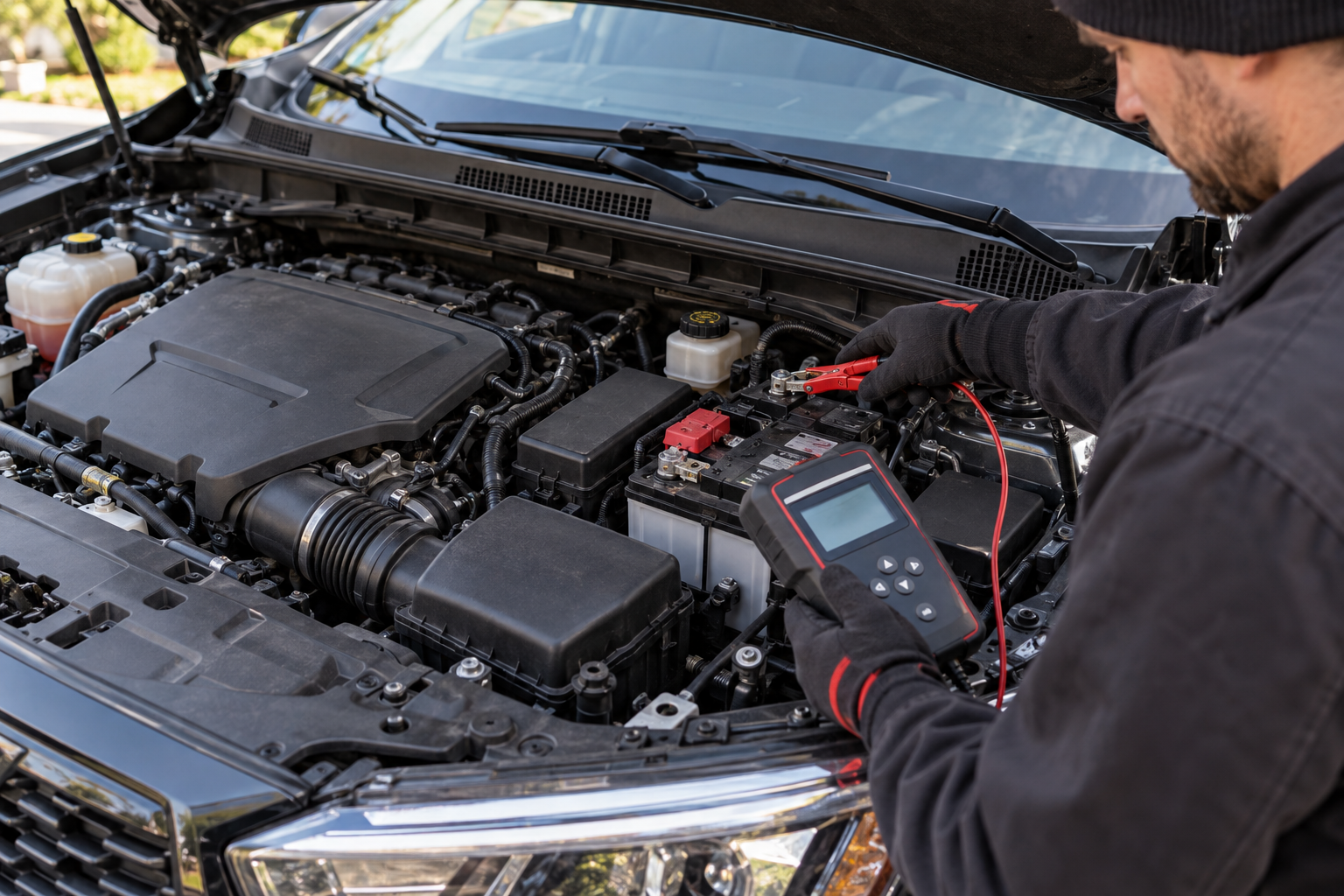
Owners report a range of electrical complaints: slow or no cranking, a start/stop button warning, relays that buzz, multiple dashboard messages, or a battery that goes flat sooner than expected. Some reports also describe the vehicle not shutting down normally or intermittent accessory behavior. These are real symptoms, but an owner report is not a confirmed diagnosis and exact rates are not independently verified.
Likely Cause
The simplest cause is an aging or weak 12-volt battery, especially on an older vehicle with short-trip use. Loose terminals, charging-system faults, aftermarket devices, poor accessory installation, and module communication problems can also contribute. Mazda service information for electrical concerns specifically directs technicians to consider aftermarket devices connected to diagnostic or power outlets because they can contribute to battery discharge or stored codes. That does not mean every battery drain is caused by an accessory; it means the inspection should include one.
Typical Repair Range
Battery testing is usually low-cost or included with a diagnostic visit. A battery replacement, terminal repair, or charging-system repair may run from a few hundred dollars upward. A persistent parasitic draw can cost more because the technician must measure current draw and isolate the circuit rather than guessing.
Severity: Moderate
Treat repeated no-starts, a battery that repeatedly dies after verified replacement, or electrical warnings that affect braking or steering systems as urgent diagnostic issues. A single weak battery may be routine maintenance; a recurring drain is not something to solve with repeated jump-starts.
Brakes Dragging
Symptoms
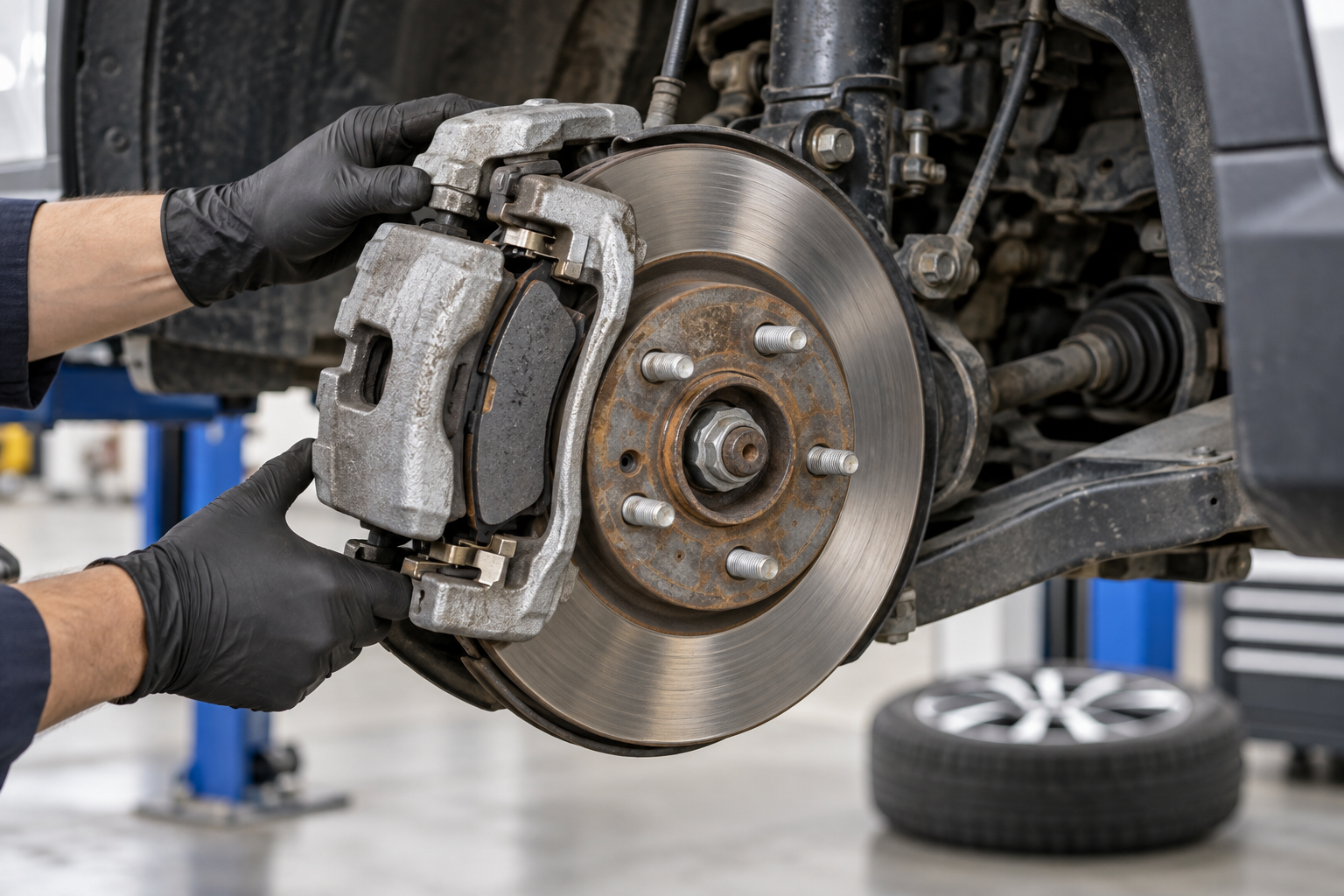
Dragging brakes can show up as a vehicle that feels held back, reduced fuel economy, a hot wheel, burning odor, pulling during braking, squeal, vibration, or unusual brake dust on one wheel. Some drivers notice the issue only after a highway drive or after parking. Do not touch a suspected hot wheel or rotor; brake parts can become dangerously hot.
Likely Cause
Mazda manufacturer guidance for the CX-5 discusses brake noise, judder, and dragging complaints and directs technicians to identify the specific cause. Brake drag can involve a caliper that does not release properly, seized slide hardware, pad fitment, parking-brake components, a brake hose issue, or another hydraulic/mechanical condition. Road salt, lack of use, previous brake work, and age can contribute, but they do not establish the cause on a particular vehicle.
Typical Repair Range
Cleaning and lubricating service, pads and rotors, a caliper, hose, or hydraulic repair can range from a few hundred dollars to well over $1,500, depending on which axle and parts are involved. A brake inspection is much less expensive than replacing damaged components after continued driving.
Severity: Major
Dragging brakes should not be ignored. Continued operation can overheat pads, rotors, bearings, and tires, and can reduce braking performance. Arrange an inspection promptly if the vehicle pulls, smells hot, or has a noticeably hotter wheel.
Steering Complaints

Symptoms
The most documented steering complaint is a steering wheel that sits noticeably off center when the CX-5 is traveling straight on a flat road. Owners also sometimes report shimmy, vibration, or an uneasy feel through the wheel. A vibration at speed is not automatically a steering-rack problem; tire balance, wheel damage, alignment, brake-rotor variation, or suspension wear can feel similar.
Likely Cause
Mazda technical-service guidance addresses steering-wheel-off-center complaints and distinguishes them from a true pull or drift. The prescribed path begins with verifying the concern, measuring the offset, and checking alignment-related conditions. Separate Mazda guidance covers cases where steering-angle information and stability-control warnings can be affected after certain driving conditions, with updated control software available for applicable vehicles. These are manufacturer diagnostic instructions, not safety recalls for every CX-5.
Typical Repair Range
An alignment or steering-wheel-centering correction commonly ranges from roughly $120 to $250. Tire balancing, worn suspension parts, steering-angle calibration, or a more involved steering repair can increase the total. Ask the shop to identify whether the problem is alignment, tire/wheel related, sensor related, or mechanical before approving parts.
Severity: Moderate
A slightly off-center wheel without a pull may be an inconvenience, but a vehicle that pulls, binds, has a warning light, or develops sudden steering effort requires faster inspection. Do not assume a driver-assistance or stability-control warning is “just alignment” without a code scan.
Infotainment System Freezes and Software Issues
Symptoms
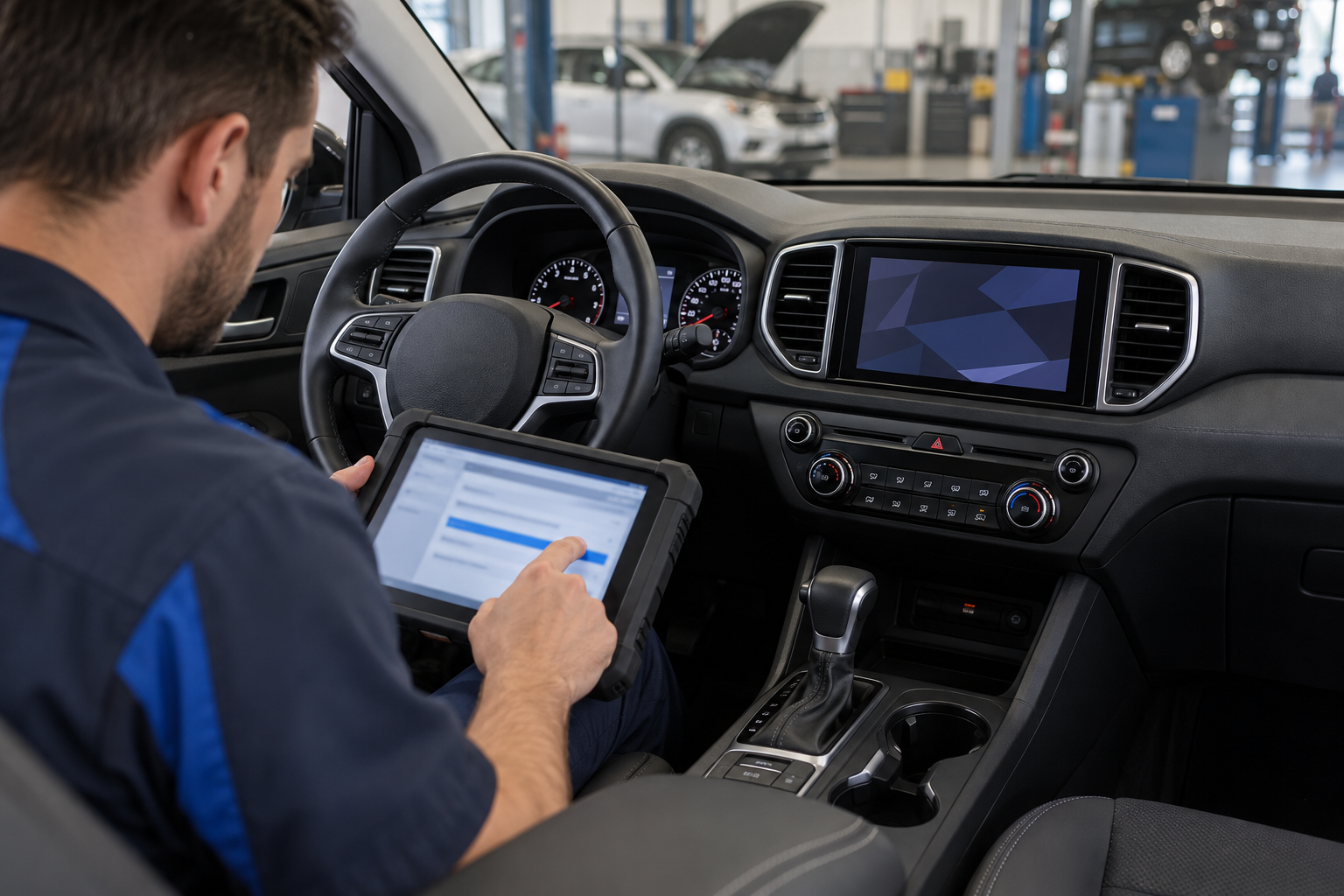
Mazda Connect complaints commonly include a display that freezes, reboots, becomes unresponsive, changes screens or radio settings without input, or develops internal-looking “spider cracks,” white spots, peeling, or ghost-touch behavior. Consumer Reports owner comments describe variations of these symptoms on 2018 CX-5s, and Mazda service information provides troubleshooting for Mazda Connect concerns.
Likely Cause
Some issues may be software-related, while others involve the display, touch layer, connectivity master unit, media hardware, or related wiring. Mazda technical-service material addresses ghost touch, surface peeling, and screen-crack concerns. The symptom should be documented with photos or video when safely possible because intermittent behavior is harder to reproduce at a shop.
There is also a factual legal-development point worth separating from a mechanical conclusion: a proposed class settlement concerning Mazda Connect covers 2016–2020 CX-5 vehicles in the United States. The settlement notice says plaintiffs alleged freezes, reboots, non-response, boot loops, and related failures; Mazda denied the allegations and the litigation did not result in a trial finding that Mazda Connect was defective. Eligibility, timing, and benefits should be verified through the official settlement materials. [verify]
Typical Repair Range
A software update may be low-cost or covered if an applicable program applies. A screen, connectivity unit, or related hardware repair can range from several hundred dollars to more than $1,500, depending on the confirmed component and labor. Do not replace the entire system before a technician checks whether the display alone is the failed part.
Severity: Minor to Moderate
A frozen screen is usually not a drivability failure, but ghost touch, camera loss, or distracting screen changes while driving can create a safety distraction. Avoid interacting with a malfunctioning display while moving and schedule service.
Windshield Cracking
Symptoms
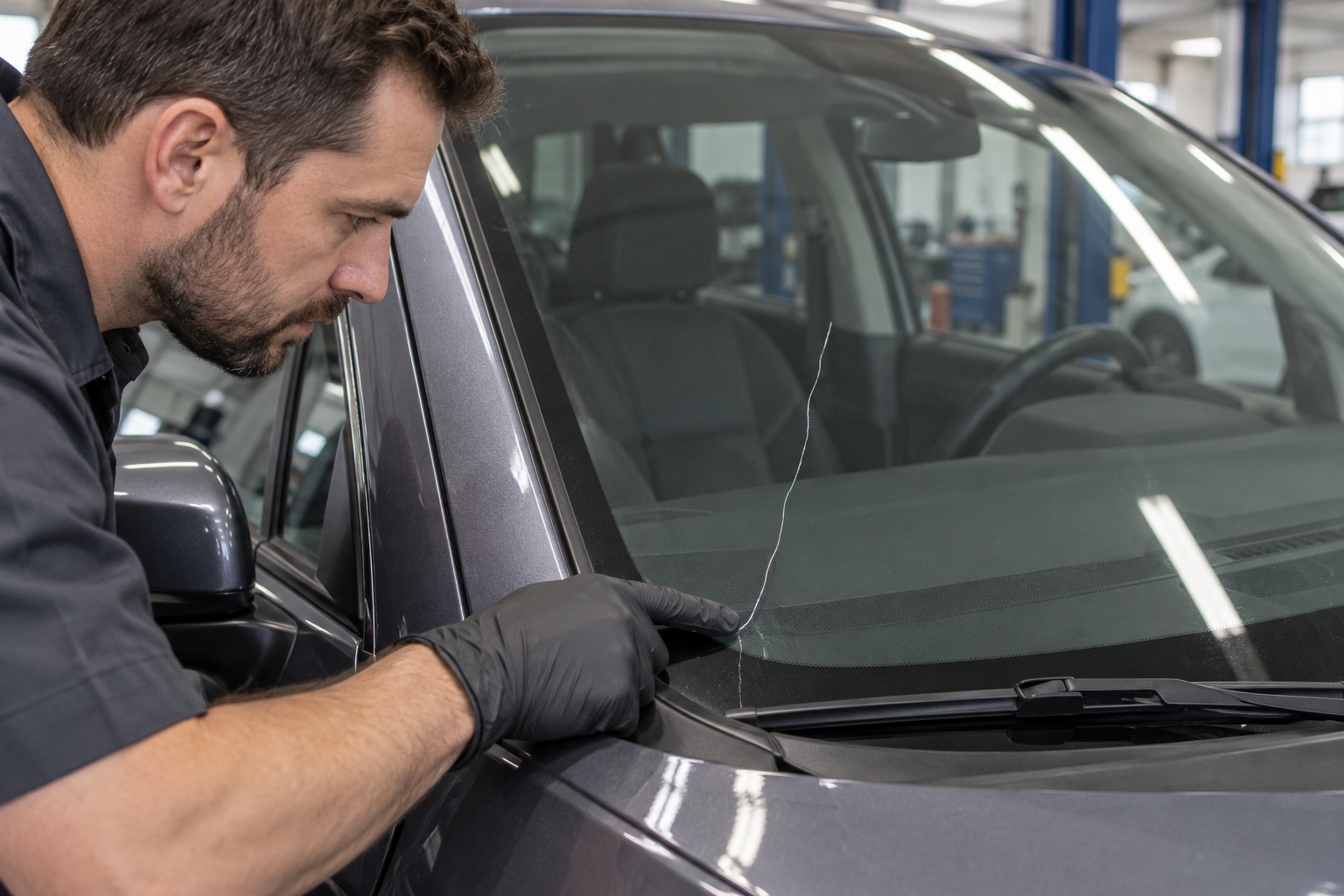
Some owners report windshield cracks that appear to spread quickly or occur without an obvious impact mark. NHTSA complaint records include reports of sudden windshield cracking, but complaints are unverified consumer reports and do not establish a universal CX-5 windshield defect. Weather, temperature changes, body flex, edge damage, and small stone impacts can all play a role.
Likely Cause
No broad official recall for spontaneous windshield cracking on the 2018 CX-5 was verified for this article. [verify] A shop should inspect the crack origin, the glass edge, prior windshield work, and evidence of impact before assigning a cause. Mazda service information does note that poor sealing during windshield replacement can allow water intrusion behind the dashboard, which can in turn contribute to electrical no-start concerns; that is a separate issue from a crack originating in original glass.
Typical Repair Range
A small chip may sometimes be repaired for a modest fee if it is outside the driver’s critical viewing area and has not spread. A full windshield replacement commonly ranges from several hundred dollars to more than $1,500 when cameras or calibration are involved. Insurance coverage and glass availability can materially change the cost.
Severity: Moderate
Replace or repair damaged glass promptly when the crack crosses the driver’s view, reaches an edge, affects a camera/sensor area, or continues to spread. A cracked windshield can impair visibility and may affect calibration of windshield-mounted safety equipment.
Interior Trim, Air Conditioning, and Fuel-System Notes
Interior trim complaints are generally less urgent than the systems above. Mazda published technical guidance for certain exterior trim heat damage caused by concentrated sunlight reflected from nearby glass buildings. That is a specific environmental condition, not proof of a general trim-warping defect. Owners also report cosmetic wear and interior trim concerns, but those reports remain anecdotal unless a vehicle-specific diagnosis confirms the cause.
If the air conditioning performs poorly, manufacturer guidance for applicable CX-5s includes ambient-temperature-sensor and evaporator-sensor diagnostic paths. Symptoms can include inaccurate outside temperature readings, weak cooling, or airflow that does not match the selected setting. Fuel-system notes include the official low-pressure fuel-pump recall above, as well as technical guidance for certain fuel odors or rear-seat-area noises after filling. Do not overfill the tank after the pump nozzle first clicks off, and have a persistent fuel odor inspected.
FAQ
Is the 2018 Mazda CX-5 reliable?
It is generally viewed as average for reliability in Consumer Reports data, but condition, service history, recall completion, and electronic-system behavior matter more than a single rating. A pre-purchase inspection remains worthwhile.
What recalls should I check first?
Check the VIN for the engine-control software, low-pressure fuel pump, and side-curtain-airbag recalls that include certain 2018 CX-5s. A dealer can confirm whether the remedy was completed.
Are brake-drag complaints common?
Mazda has published technical guidance for brake drag, noise, and judder concerns, but that does not mean every CX-5 has a brake defect. Any hot wheel, burning smell, pull, or loss of braking confidence needs inspection.
Does infotainment ghost touch qualify for a free repair?
Not automatically. Mazda technical guidance and the infotainment settlement may be relevant, but eligibility depends on the vehicle, component, timing, and program terms. Verify through Mazda and the official settlement information.
Should windshield cracking stop me from buying a CX-5?
Not by itself. Inspect the glass for impact points, edge cracks, previous replacement quality, and any camera-related warning lights. Price a replacement appropriately if the windshield is already damaged.
Conclusion
A used 2018 Mazda CX-5 can be a strong candidate when its recalls are complete, the engine starts and runs cleanly, the brakes release normally, the steering tracks straight, and the infotainment system works consistently. Prioritize a VIN recall check, a cold start, a brake-and-steering road test, and a full scan for stored codes. The most useful buying decision is based on that vehicle’s records and behavior—not on a single owner complaint or a blanket internet verdict.
