
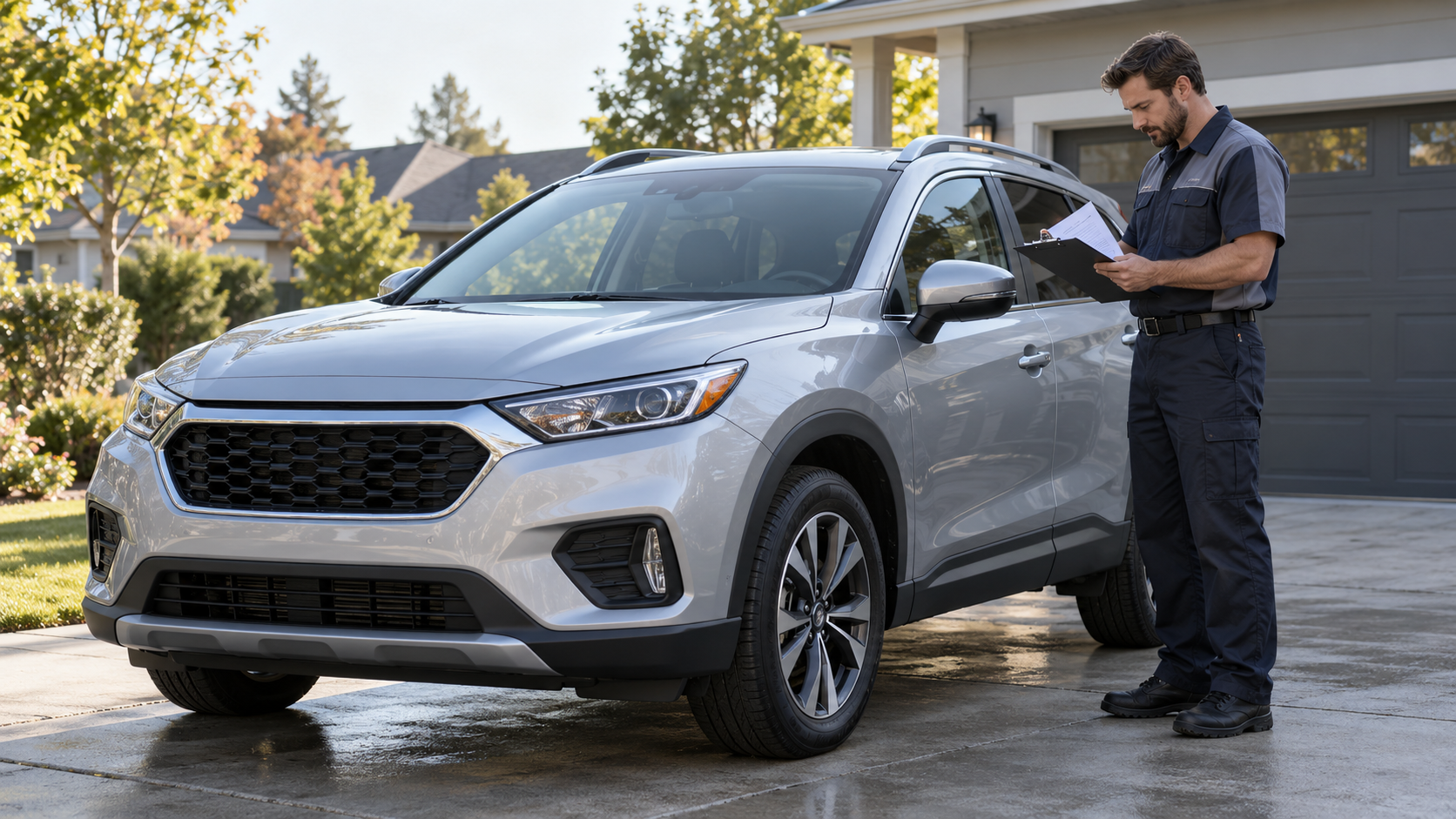
The 2017 Chevrolet Equinox is the last model year of this generation, and its four-cylinder version deserves a careful engine inspection before you buy or keep one. The recurring concerns discussed by owners and repair technicians include oil consumption, engine noise, and timing-related faults. Those reports warrant attention, but they do not mean every Equinox will develop a failure. A service bulletin is diagnostic guidance—not proof that a particular vehicle is defective, and not a safety recall.
This guide separates what GM documentation says from owner-reported patterns. Its focus is the standard 2.4-liter four-cylinder, because that is the engine most often associated with the oil-consumption discussion. The 2017 Equinox was also offered with a 3.6-liter V6 in some configurations; check the vehicle’s engine code and service history rather than assuming every example has the same risk profile (per Car and Driver specifications).
For a shopper, the practical question is not simply whether the model has a reputation. It is whether this specific vehicle has been losing oil, whether a repair was completed, and whether a mechanic can verify the engine’s condition. For an owner, regular level checks and prompt investigation of new noises are more useful than relying on the oil-change reminder alone.
Contents
The 2.4L Ecotec Engine in the 2017 Equinox
The 2.4-liter LEA Ecotec is a naturally aspirated, direct-injected four-cylinder with dual overhead camshafts and variable valve timing. In Equinox trim specifications, it is rated at 182 horsepower and 172 lb-ft of torque (per Car and Driver). Some higher-trim 2017 models could be equipped with a 3.6-liter V6, so verify the engine shown on the VIN/build information and underhood label before applying four-cylinder-specific advice.
The engine family’s design is relevant because the oil-control and timing systems depend on adequate lubrication. Pistons use rings to control combustion sealing and oil on the cylinder walls; the timing chain synchronizes crankshaft and camshafts, with a tensioner and guides controlling chain movement. Low oil level is not itself proof that a chain is worn, and a timing noise is not proof that oil consumption caused it. Each condition needs its own diagnosis.
A major caution when interpreting older GM coverage: the best-known special coverage documents commonly cited for excessive consumption are limited to particular earlier model years. For example, GM bulletin 15285C covers specified 2011 Equinox/Terrain 2.4L vehicles, and bulletin 16118 covers specified 2012 vehicles. Their existence documents GM’s response for those identified vehicles; they do not establish that the same special coverage applies to every 2017 Equinox (per GM special coverage bulletins filed with NHTSA).
Oil Consumption Issues
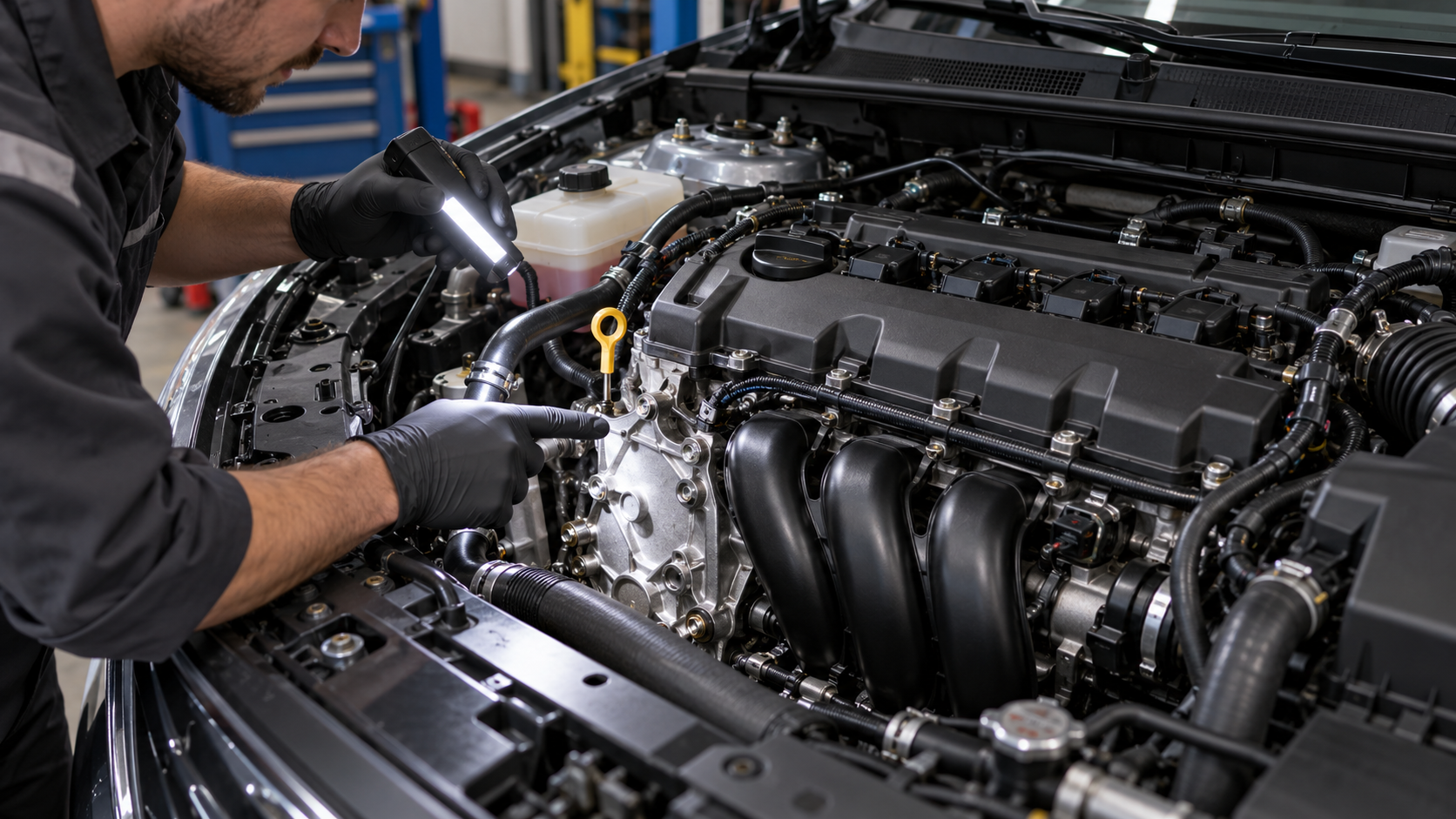
Some 2017 Equinox owners report needing to add oil between scheduled changes, seeing a low-oil warning, or finding that the engine is using oil without an obvious driveway leak. Owner complaints are useful signals, not a controlled measure of how often a defect occurs. Complaint databases do not provide a reliable failure rate: people with problems are more likely to file, and vehicle use and maintenance differ.
GM’s earlier special coverage bulletins describe excessive oil consumption associated with piston-ring wear on certain 2011 and 2012 2.4L vehicles. Those documents describe a test and, for eligible vehicles meeting the stated conditions, piston and ring repair. They should not be presented as a blanket acknowledgment, warranty extension, or free repair for model year 2017. Separate GM preliminary information for certain 2.4L applications discusses diagnosing oil consumption, blue exhaust smoke, warning lamps, fuel-trim codes, possible PCV concerns, and other causes; fitment and repair instructions must be checked against the exact vehicle (per GM service information submitted to NHTSA).
Oil loss can also come from an external leak, a PCV-related problem, or another engine condition. Blue smoke may be a clue that oil is entering combustion, but its absence does not rule out consumption. A low oil-pressure warning is urgent: stop the engine as soon as it is safe and arrange inspection, because continued operation with inadequate lubrication can cause severe damage.
If you own one, check the dipstick on level ground at consistent intervals and record the odometer, oil level, and any oil added. Do not wait for a dashboard warning to tell you that the level is low. If the level repeatedly falls, ask a shop to document a controlled oil-consumption test and inspect for leaks and crankcase ventilation issues. Keep receipts and written test results. Those records help distinguish a measured condition from an impression and may matter when discussing coverage with a dealer.
Timing Chain Problems
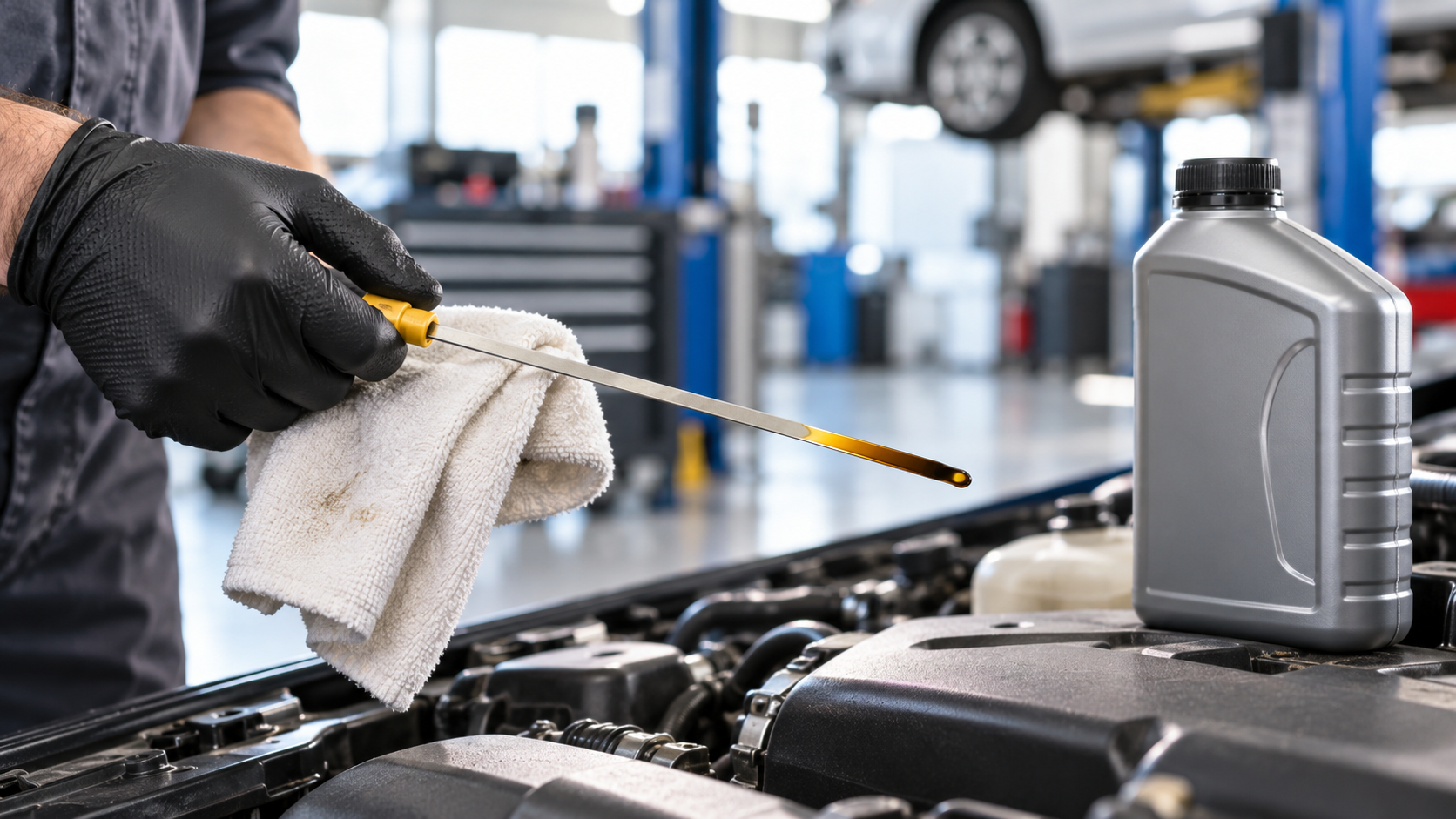
Owners and repair shops report timing-chain rattle and cam/crank correlation codes on some Equinox vehicles in this generation. A brief rattle at startup, persistent metallic noise, rough running, a check-engine light, or codes such as P0016/P0017 merit prompt diagnosis. These symptoms can have multiple causes; sensors, actuator controls, wiring, oil condition, and mechanical timing all need consideration. A code alone does not authorize replacing a chain.
GM has issued diagnostic bulletins about timing-chain-area noise and timing-related diagnosis on certain engines and model years. For example, PIP3535C addresses a whine from the timing-chain area related to the balance-shaft chain tensioner in listed applications, including 2010–2017 Equinox 2.4L LAF/LEA. It says the concern can arise in certain circumstances, including service work, and directs technicians to confirm whether the noise is abnormal and follow repair procedures. That is not a recall and does not mean every vehicle has a defective chain (per GM bulletin PIP3535C filed with NHTSA).
Oil and chain concerns may interact if the engine is operated at a low oil level, but avoid stating that oil consumption inevitably causes chain failure. A chain can stretch or its tensioning components can wear for multiple reasons, and low oil can increase risk to lubricated components. A technician should check oil level and condition, retrieve diagnostic codes and freeze-frame data, listen during a cold start, and inspect mechanical timing when evidence supports it. Continuing to drive with persistent chain noise or correlation faults risks turning a repairable issue into extensive engine damage.
GM’s Response: Recalls, TSBs & Extended Warranties
A recall, a technical service bulletin, and a special coverage adjustment are different things. A safety recall applies to identified vehicles for a safety-related defect and calls for a specified remedy. A TSB or preliminary information bulletin provides service or diagnostic guidance; it does not automatically extend warranty coverage. Special coverage adjusts repair coverage for specified vehicles, conditions, and time/mileage limits. Eligibility can depend on VIN, in-service date, mileage, and the exact bulletin language.
The official GM documents located for this article include 2011- and 2012-model-year special coverage for certain 2.4L oil-consumption conditions, and PIP3535C’s guidance for timing-area whine on listed Equinox applications through 2017. These are not proof of an oil-consumption special coverage for the 2017 model. Do not assume that a prior owner’s participation, an older bulletin, or a similar engine in another year guarantees a no-cost repair today. Ask a Chevrolet dealer to check the VIN for open recalls and applicable special coverages; independently verify open recalls through NHTSA’s VIN lookup.
NHTSA complaint records reflect what vehicle owners submit, not a government finding that every complaint is confirmed. They should be considered alongside official recalls and GM service documents. Before buying, request repair invoices and check whether the engine has been replaced or repaired. Be wary of claims that a specific lawsuit result, recall, or warranty extension covers the car unless the seller can provide documentation and the VIN confirms eligibility.
Diagnosing and Preventing These Problems
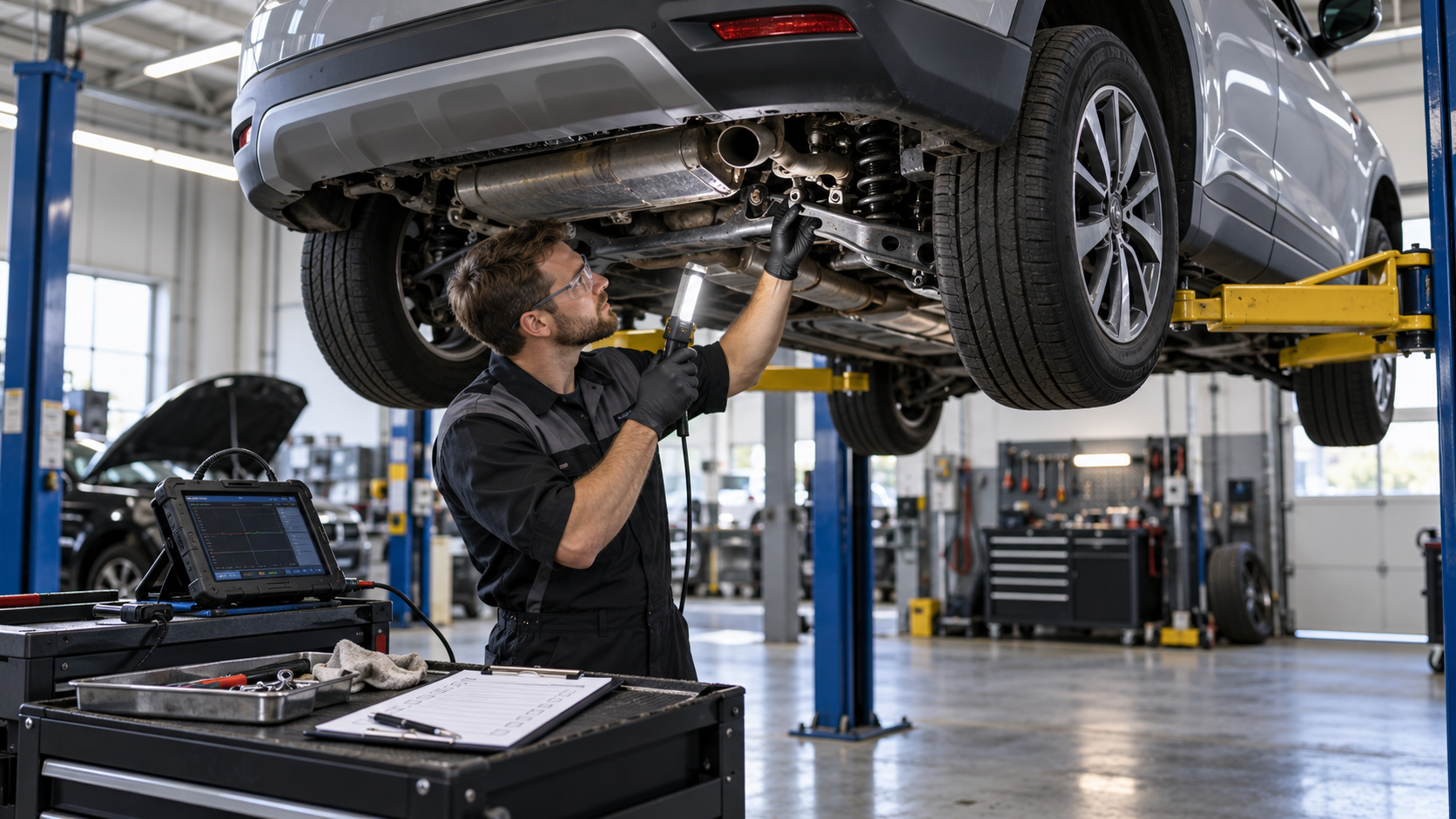
Start with the vehicle’s records and a cold inspection. Before the engine is started, check the oil on level ground and note whether it is below the safe range. Look for fresh leaks around the engine and evidence of recent top-offs. During a cold start, listen for abnormal rattle or whine; then scan for stored and pending codes. A pre-purchase inspection should include a road test and a review of engine data by a mechanic familiar with GM four-cylinder engines.
For suspected consumption, request a documented test that begins with a verified oil level and records mileage and any oil added. Follow the owner’s manual for oil specification and service intervals, and check the dipstick between changes—more frequently if the engine has a known history of using oil. Maintain receipts. Do not overfill, and do not treat thicker oil or additives as a substitute for finding the cause.
If timing faults or noise are present, diagnosis should precede parts replacement. A shop may check oil pressure and condition, scan camshaft timing data, inspect the chain/tensioner and guides as indicated, and rule out electrical or actuator faults. Ask for the diagnostic findings in writing and an itemized estimate. If the low-oil-pressure warning appears, or the engine knocks heavily, shut it down safely and arrange a tow rather than continuing to drive.
Should You Buy a 2017 Equinox? (Verdict)
A 2017 Equinox with the 2.4L engine is not an automatic avoid, but it deserves a more demanding pre-purchase inspection than a clean service history alone might suggest. A buyer should verify the engine, check oil level before a test drive, ask about oil added between changes, and insist on a cold start. Pay for an independent inspection if records are incomplete, the dipstick is low, there is smoke or fresh engine noise, or the seller cannot explain a warning light.
A documented history of stable oil level and timely maintenance is reassuring, though it cannot guarantee future reliability. A recent engine replacement is not automatically a positive either: ask why it was replaced and request the invoice and warranty terms. If the seller refuses inspection or offers only verbal assurances about “normal” oil use, treat that as a reason to pause and price the uncertainty into your decision.
The V6-equipped version avoids the specific 2.4L discussion in this article, but it still needs ordinary condition checks and a complete history. In either case, compare the inspection findings and likely near-term repairs with the asking price. For owners, check oil routinely and address new symptoms early. The sensible verdict is conditional: buy the individual vehicle’s evidence, not a model-year reputation.

FAQ
Does every 2017 Equinox burn oil?
No. Some owners report oil use, but complaint reports do not establish that every vehicle is affected or provide a dependable rate. Check the specific engine and measure its oil level over time.
Did GM issue an oil-consumption recall for the 2017 Equinox?
The GM materials discussed here document earlier-model-year special coverage and diagnostic bulletins, not a blanket 2017 oil-consumption recall. Check the VIN with a Chevrolet dealer and NHTSA for vehicle-specific campaign status.
Is timing-chain rattle proof that the chain has failed?
No. A rattle or timing code calls for diagnosis. Several mechanical and electrical causes can produce related symptoms, so a technician should confirm the fault before repair.
What should I do if the oil-pressure warning comes on?
Stop as soon as it is safe, switch off the engine, and arrange professional inspection. Continuing to run an engine with inadequate oil pressure can cause severe damage.
